
QR Code

About Us
Products
Contact Us

Phone

Fax
0086-574-87527773

Email

Address
No 432 Zhenhai Middle Road, Luotuo Street, Zhenhai District, Ningbo City, Zhejiang China


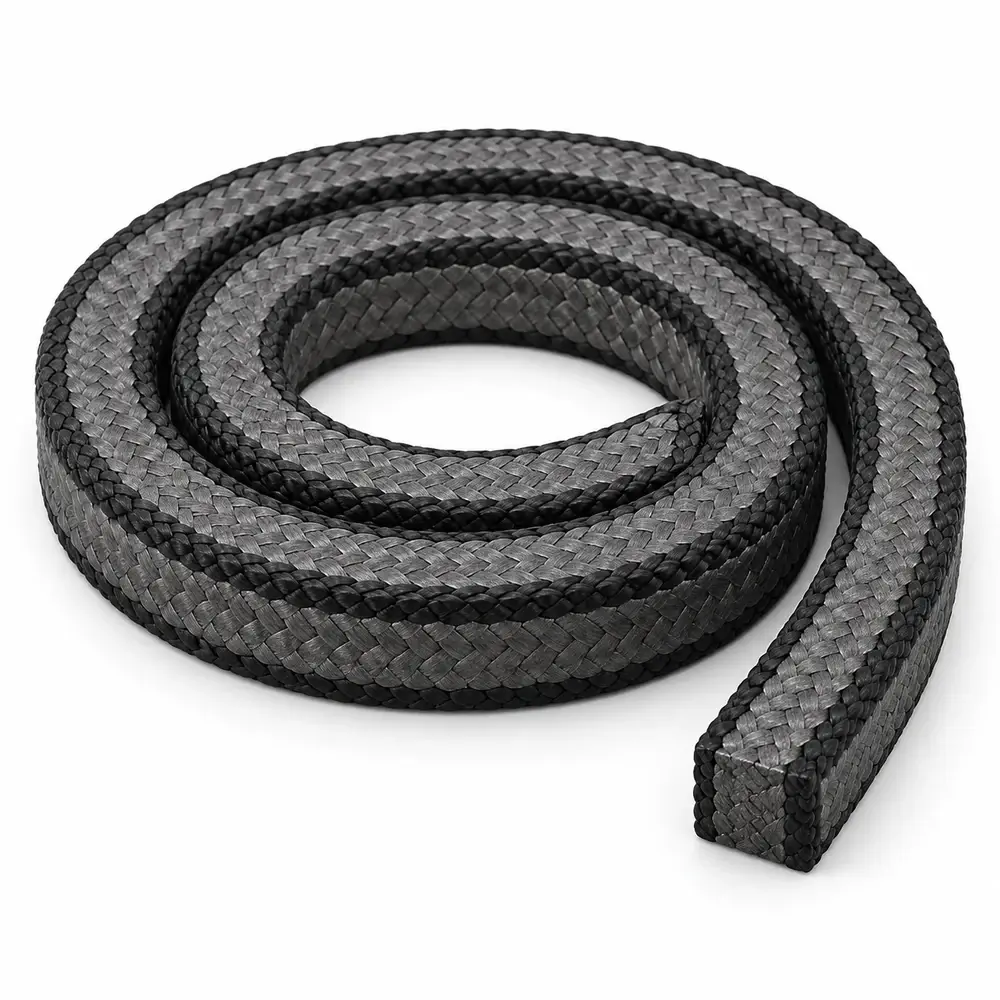
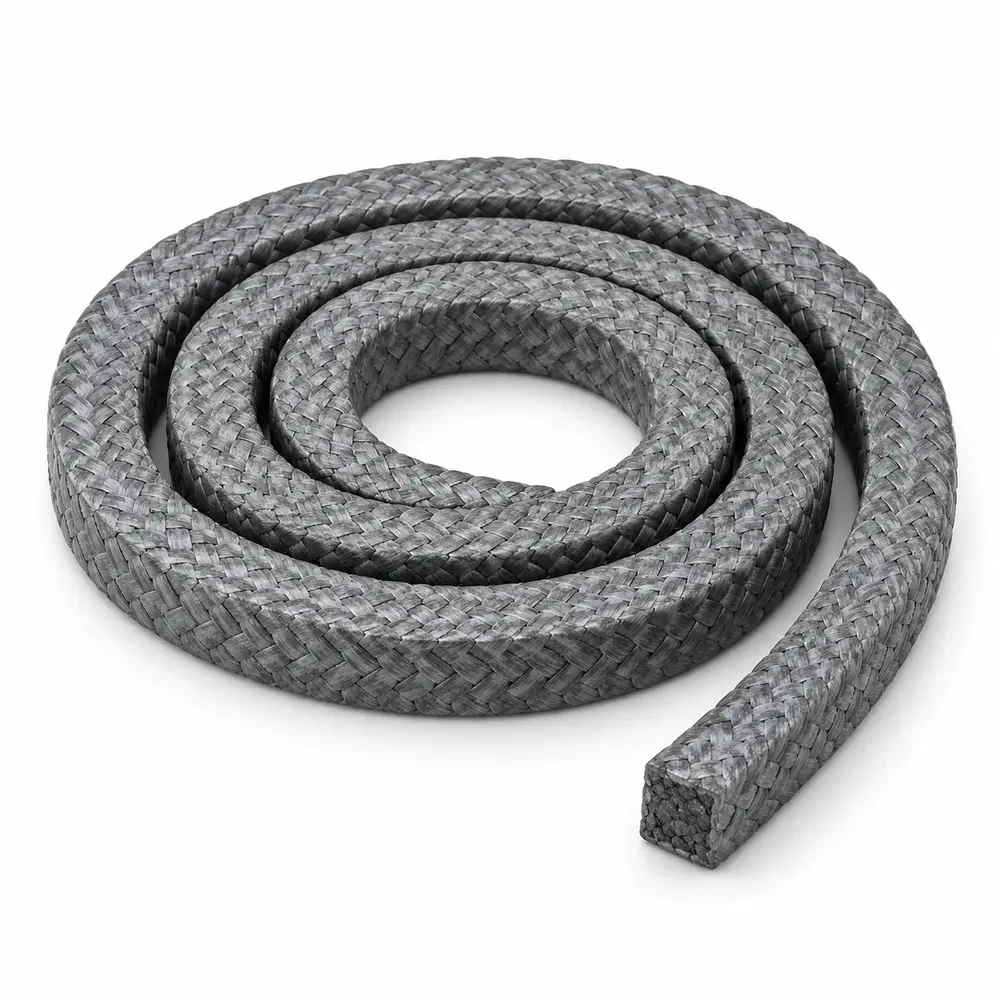
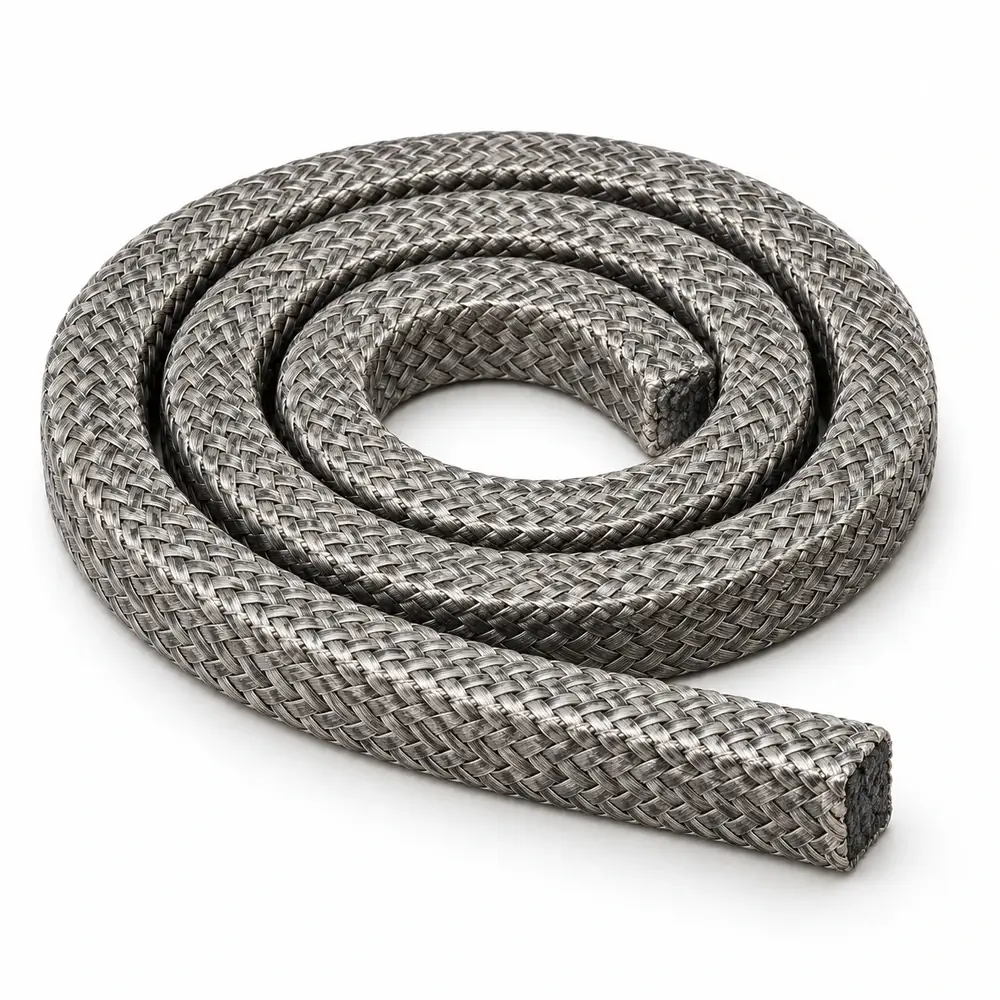
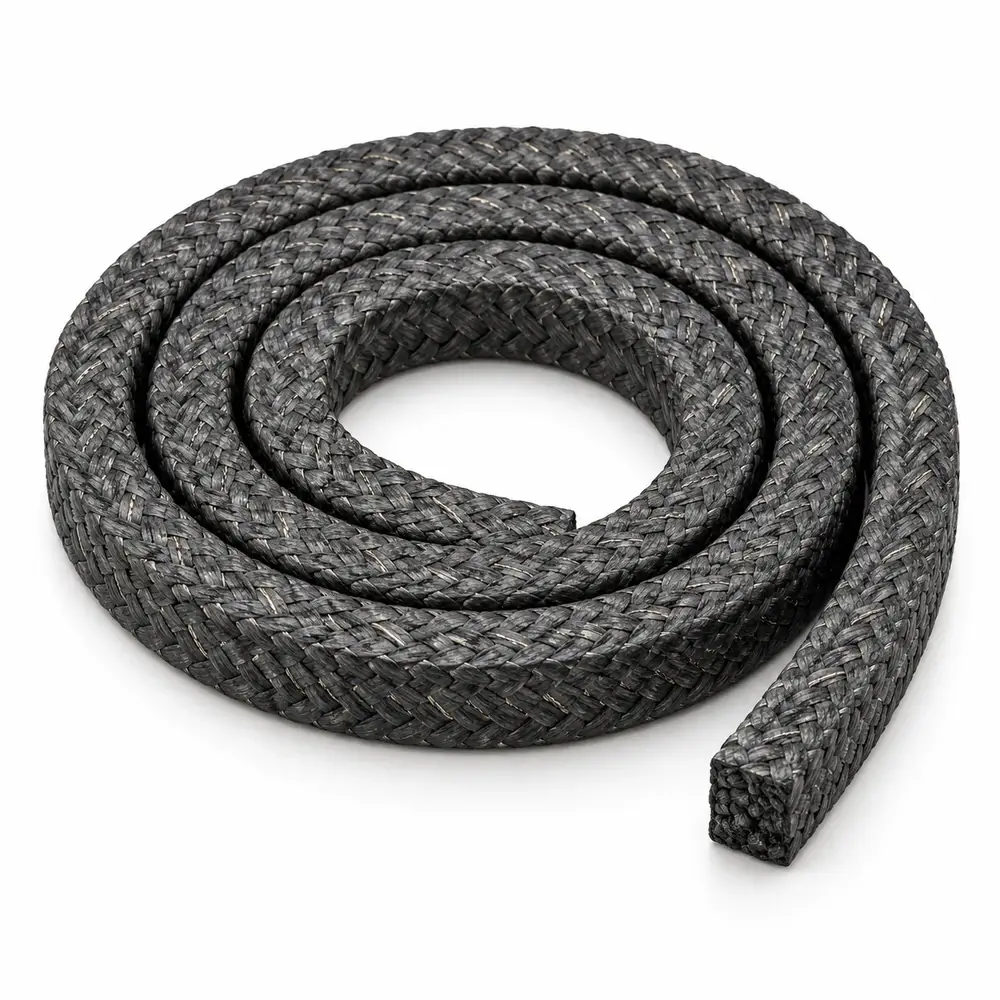
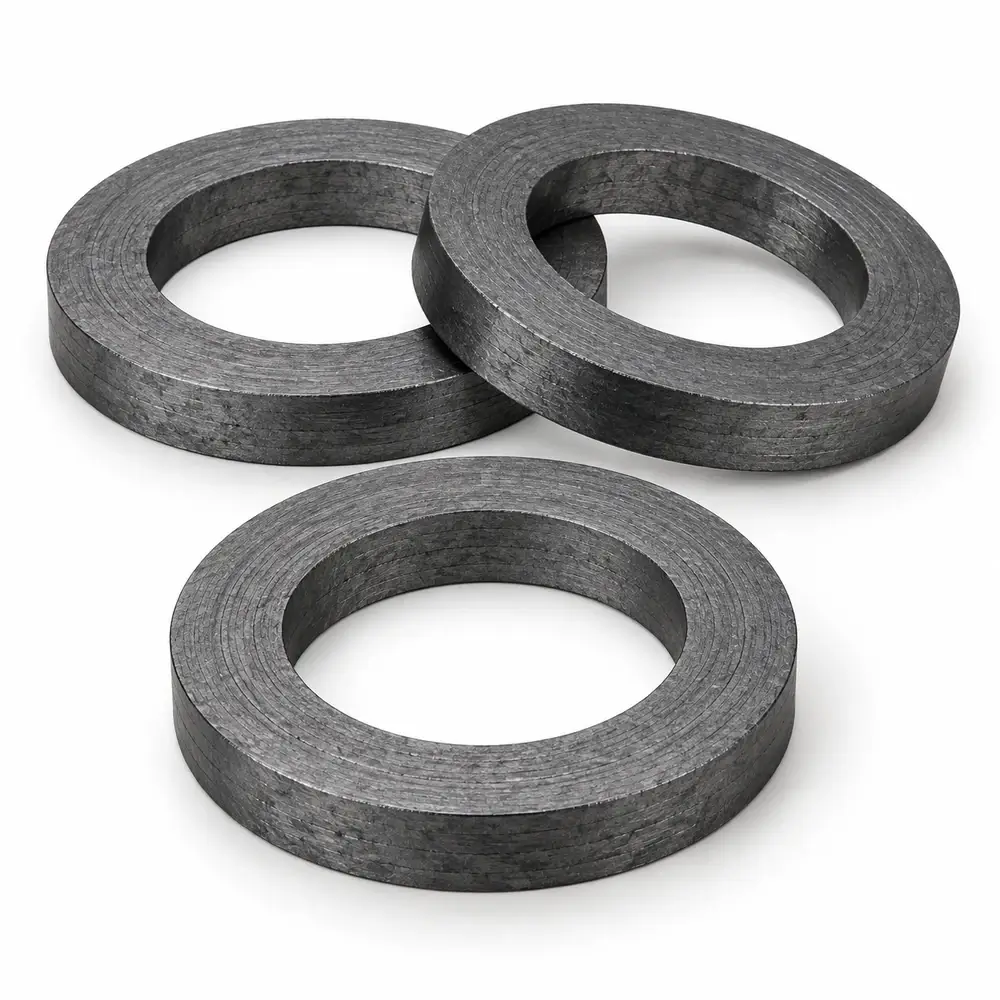
How long do die formed graphite rings last? is one of the first questions procurement teams ask when they compare sealing solutions for valves, pumps, reactors, and high-temperature process lines. The honest answer is that no single number fits every application: a Die Formed Graphite Ring may last only a few weeks in a poorly controlled pump with dry running and abrasive particles, while the same ring can deliver several years in a clean, well-aligned valve with stable temperature and controlled compression. Buyers should evaluate ring life as a system result shaped by media, temperature, pressure, shaft or stem condition, installation quality, and maintenance practice. A ring that looks identical in a catalog can behave very differently when graphite grade, density, binder control, dimensional tolerance, and surface finish are not matched to the duty point. For purchasing teams, the practical goal is not to chase a marketing number; it is to request application-specific guidance, verify test data, and compare total cost of ownership rather than piece price alone. Ningbo Kaxite Sealing Materials Co., Ltd. supports this evaluation with die formed graphite ring solutions, application review, and export-ready supply for industrial sealing programs. This guide explains what controls service life, how to specify the right ring, and how to plan replacement before downtime becomes urgent.
Article outline
Pain scenario: A maintenance planner replaces valve stem packing during a planned shutdown, then sees visible leakage within a few weeks. The ring was ordered by size only, with no review of temperature, pressure, media, stem finish, or compression. The purchase price looked low, but the early failure created steam loss, retorque labor, and unplanned isolation.
Solution: Treat die formed graphite ring life as an application decision, not a catalog guess. Start with a short duty summary: media, operating temperature, pressure, cycle frequency, stem or shaft finish, allowable leakage, and shutdown window. Then match graphite grade, density, dimensional tolerance, and installation method to that duty. A controlled, application-specific ring specification gives buyers a measurable basis for quotations and avoids comparing unlike products.
| Parameter | Why It Matters | Procurement Action |
|---|---|---|
| Media and temperature | Oxidation, steam, chemicals, and thermal cycling change wear and leakage risk. | Request a grade recommendation for the actual duty point, not a general-purpose grade. |
| Pressure and cycles | High pressure and frequent movement increase consolidation, friction, and adjustment needs. | Share pressure range and cycle frequency when asking for ring life estimates. |
| Density and tolerance | Density affects permeability and mechanical stability; tolerance affects fit and compression. | Ask for measurable density and dimensional data on the quotation. |
| Stem or shaft finish | Rough surfaces accelerate wear; poor alignment creates uneven loading. | Include surface finish and alignment details in the technical inquiry. |
Pain scenario: A buyer receives a low quotation for die formed graphite rings and assumes the parts will perform like the current supplier’s product. In service, the rings run hotter, leak sooner, or need more frequent gland adjustment. The issue is often not the material name but the operating envelope: high-temperature oxidation, dry running, chemical attack, or thermal cycling was not converted into a clear specification.
Solution: Define the operating window before ordering. Ask suppliers to state limits for temperature, pressure, media compatibility, and movement. For high-temperature lines, protect graphite from excessive oxygen exposure where possible. For pumps, prevent dry running and verify flush plans. For valves, control compression and retorque according to the packing system. These steps help buyers set realistic replacement intervals and avoid using piece price as the only comparison.
| Condition | Effect on Die Formed Graphite Rings | Buyer Response |
|---|---|---|
| High temperature with air exposure | Oxidation can reduce mass and sealing force over time. | Use a suitable grade and review purge or barrier protection. |
| Steam service | Moisture and thermal cycling can affect friction and adjustment needs. | Specify steam duty and confirm installation and retorque practice. |
| Abrasive particles | Particles accelerate wear on rings and mating surfaces. | Improve filtration or select a more robust sealing arrangement. |
| Dry running | Friction heat can damage rings and nearby components quickly. | Verify flush, cooling, and operating procedures before purchase. |
Pain scenario: Purchasing teams often receive quotations with only a size and a price. Weeks later, engineering finds that the ring density, graphite grade, or tolerance is different from the approved duty. The result is a delayed approval, a re-quote, or a trial batch that cannot be compared fairly with the incumbent product.
Solution: Build a compact technical checklist into the request for quotation. Ask for density, graphite grade, dimensional tolerance, surface condition, recommended compression, and packing format. Require batch traceability and a certificate of conformity where the application demands it. For repeat orders, keep an approved sample and a signed data sheet so that future suppliers cannot win on price by quietly changing critical parameters.
| RFQ Item | Data to Request | Reason for Purchase Control |
|---|---|---|
| Graphite grade | Grade name, purity, and application range | Confirms suitability for temperature, media, and oxidation risk. |
| Density | Nominal value and tolerance | Supports permeability and mechanical performance comparison. |
| Dimensions | Inside diameter, outside diameter, thickness, and tolerance | Prevents fit issues and uneven compression. |
| Documentation | Inspection report, batch code, and certificate | Protects approval and traceability for industrial buyers. |
Pain scenario: A ring fails early, and the material is blamed. On inspection, the stem is scored, the gland is cocked, the ring is twisted, or the compression was guessed rather than controlled. Even a well-made die formed graphite ring cannot recover from poor installation and misalignment.
Solution: Clean and inspect the stuffing box, stem, and gland before installation. Confirm that the ring enters squarely and that each ring is seated without forced twisting. Use the correct compression method and retorque sequence for the application. Record the installation date, batch code, torque or compression data, and startup leak rate. This record turns future replacement planning into a fact-based decision instead of a guess.
| Installation Check | Common Problem | Practical Control |
|---|---|---|
| Stem or shaft finish | Scratches cut rings and create leak paths. | Inspect and repair surfaces before fitting new rings. |
| Stuffing box condition | Debris or damage prevents proper seating. | Clean thoroughly and verify clearances. |
| Ring seating | Twisting or skewing causes uneven pressure. | Install one ring at a time and seat squarely. |
| Gland adjustment | Over-compression increases friction and wear. | Follow the supplier’s recommended compression and retorque steps. |
Pain scenario: A plant waits for visible leakage before planning replacement. By then, the gland may need retorque, the stem may be damaged, and the shutdown scope may expand. In procurement terms, the lowest initial price can become the highest total cost when replacement is reactive.
Solution: Track early signals such as rising gland take-up, changing friction, visible emissions, temperature drift, and repeated adjustment. Set a replacement interval based on observed performance, not only calendar time. Keep a small approved spare stock for critical valves and pumps, and review ring life after each shutdown. Ningbo Kaxite Sealing Materials Co., Ltd. can help buyers convert these field observations into a practical spare-parts and reorder plan.
| Signal | Possible Cause | Planning Action |
|---|---|---|
| Frequent gland adjustment | Consolidation, wear, or thermal cycling | Review compression and set a shorter inspection interval. |
| Visible leakage or emissions | Ring wear, stem damage, or insufficient load | Inspect the sealing system, not only the ring. |
| Higher operating friction | Over-compression, dry running, or contamination | Check installation and process conditions. |
| Short repeat life | Wrong grade or unresolved duty issue | Re-qualify the specification with application data. |
Question 1: How long do die formed graphite rings last in valve stem service?
In clean, well-controlled valve stem service with stable temperature, proper compression, and good stem finish, die formed graphite rings can often provide long service intervals measured in months or years. In steam cycling, high-temperature oxidation, or poorly aligned glands, life may be much shorter. The buying decision should include grade, density, stem condition, packing arrangement, and retorque practice. A supplier who asks for these details is more useful than one who offers a single life claim for every valve.
Question 2: How long do die formed graphite rings last in pump sealing?
Pump service is usually more demanding because of shaft rotation, flush conditions, vibration, and dry-running risk. A die formed graphite ring may perform well in a clean, lubricated, correctly flushed pump, but it can fail quickly if the pump runs dry, the shaft is scored, or abrasive solids are present. Buyers should share pump type, shaft speed, media, flush plan, temperature, and pressure. For critical pumps, keep an approved spare set and compare total downtime cost, not only the ring price.
| Application | Life Influencers | Procurement Question |
|---|---|---|
| Valve stem | Temperature, steam cycling, stem finish, compression | What grade and density are recommended for this valve duty? |
| Pump sealing | Flush, abrasives, shaft speed, dry-running risk | What installation and spare-stock plan protects uptime? |
Pain scenario: A purchasing officer needs a reliable graphite sealing supplier who can answer technical questions, keep dimensions consistent, and support repeat orders without surprises. Price-only sourcing often creates approval delays because the supplier cannot provide the data that engineering needs.
Solution: Ningbo Kaxite Sealing Materials Co., Ltd. works with buyers to review the duty, recommend suitable die formed graphite ring specifications, and supply documentation that supports approval. The company focuses on sealing materials for industrial applications and helps customers compare options by application fit, consistency, and total operating value. For procurement teams, this means fewer unclear quotations and a clearer path from sample approval to repeat supply.
| Buyer Need | Kaxite Support | Commercial Benefit |
|---|---|---|
| Application review | Duty-based discussion of media, temperature, pressure, and movement | Better specification before order placement. |
| Consistent supply | Dimensional and batch data for approval and repeat orders | Reduced risk of fit or performance drift. |
| Export purchasing | Clear quotation and communication for industrial sealing programs | Efficient sourcing for maintenance and OEM buyers. |
Ningbo Kaxite Sealing Materials Co., Ltd. is a sealing materials supplier focused on practical industrial sealing needs, including die formed graphite rings and related products for maintenance, valve, pump, and process applications. The company supports buyers with application review, product selection, and responsive communication so that purchasing teams can move from technical inquiry to approved supply with fewer delays. To discuss your operating conditions or request a quotation, visit https://www.graphite-ptfe-packing.com or contact the team at [email protected]. Share the media, temperature, pressure, dimensions, and replacement interval target, and the team can help you evaluate a suitable sealing solution.
Chung, D. D. L. (2002). Review of graphite. Journal of Materials Science, 37(8).
Celzard, A., Marêché, J. F., & Furdin, G. (2005). Modelling of exfoliated graphite. Progress in Materials Science, 50(1).
Zhao, Y., Wang, L., & Chen, H. (2013). Tribological behavior of expanded graphite composites. Tribology International, 60.
Wang, H., Li, J., & Sun, Q. (2018). Sealing performance of flexible graphite gaskets under thermal cycling. Journal of Pressure Vessel Technology, 140(3).
Kim, S., & Park, J. (2017). Leakage and relaxation of graphite packing rings. Sealing Technology, 2017(6).
Müser, M. H., & Robbins, M. O. (2019). Shear-induced lubrication of graphite interfaces. Physical Review B, 99(17).
Liu, Z., Zhang, Y., & Zhou, P. (2020). High-temperature oxidation of graphite sealing materials. Carbon Letters, 30(4).
Patel, R., & Singh, A. (2021). Reliability-based replacement planning for industrial packings. Journal of Quality in Maintenance Engineering, 27(2).
García, M., López, R., & Martín, C. (2016). Surface finish effects on packing friction and wear. Wear, 356-357.
Zhang, Q., Chen, X., & Yang, F. (2022). Expanded graphite rings for valve stem sealing: bench test evaluation. Journal of Tribology, 144(5).
-
0086-574-87527773
No 432 Zhenhai Middle Road, Luotuo Street, Zhenhai District, Ningbo City, Zhejiang China