
QR Code

About Us
Products
Contact Us

Phone

Fax
0086-574-87527773

Email

Address
No 432 Zhenhai Middle Road, Luotuo Street, Zhenhai District, Ningbo City, Zhejiang China


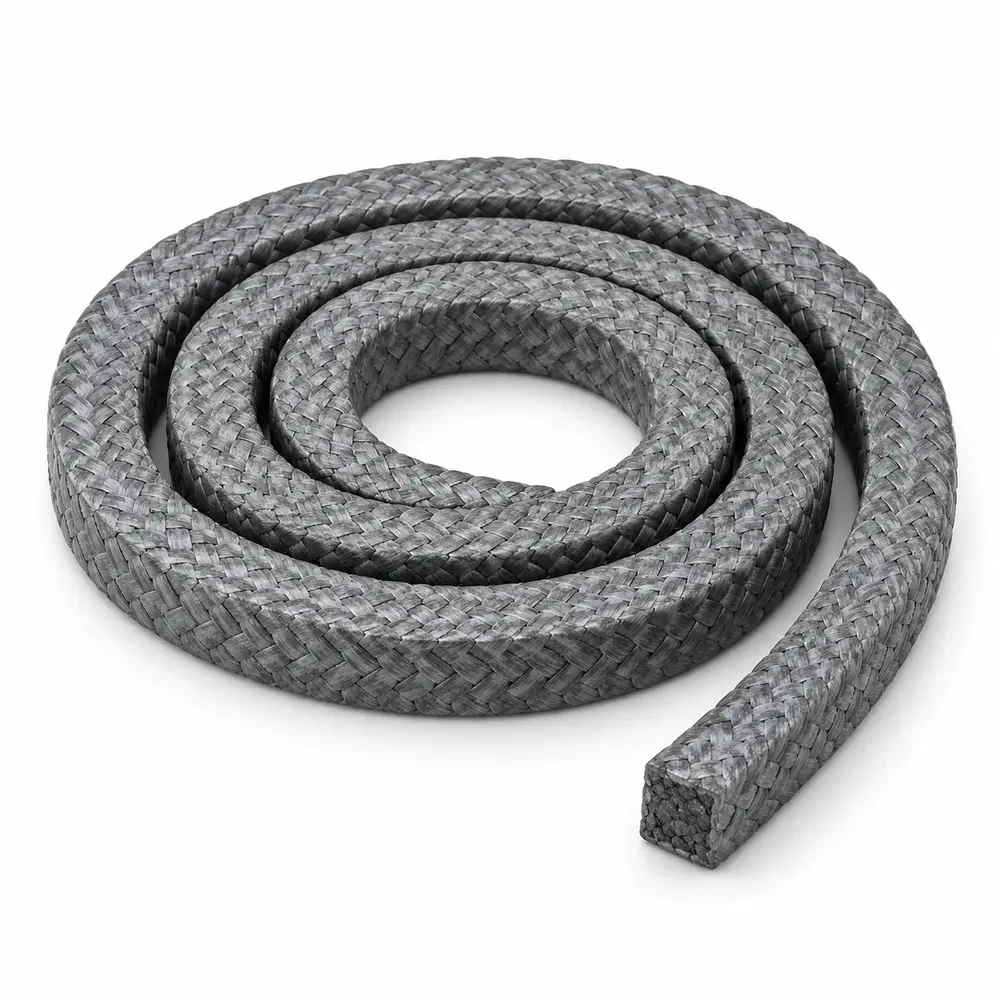
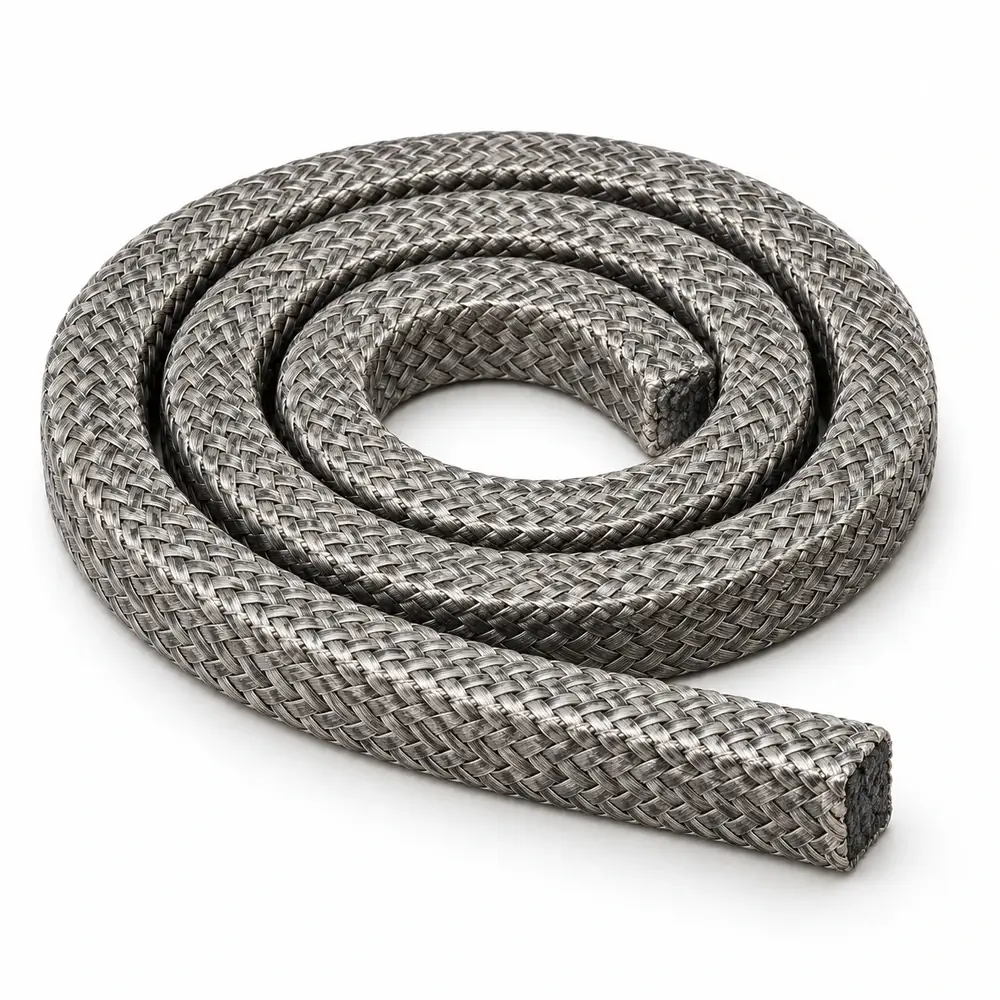
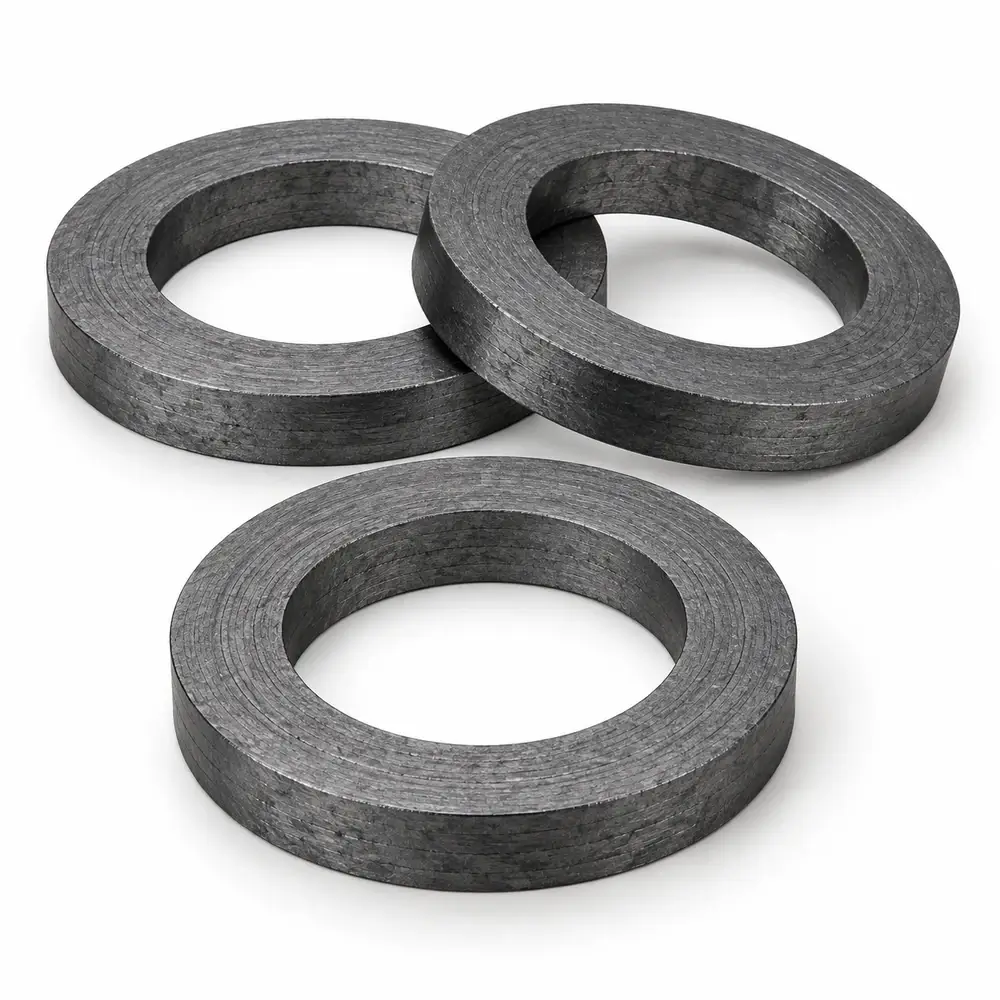
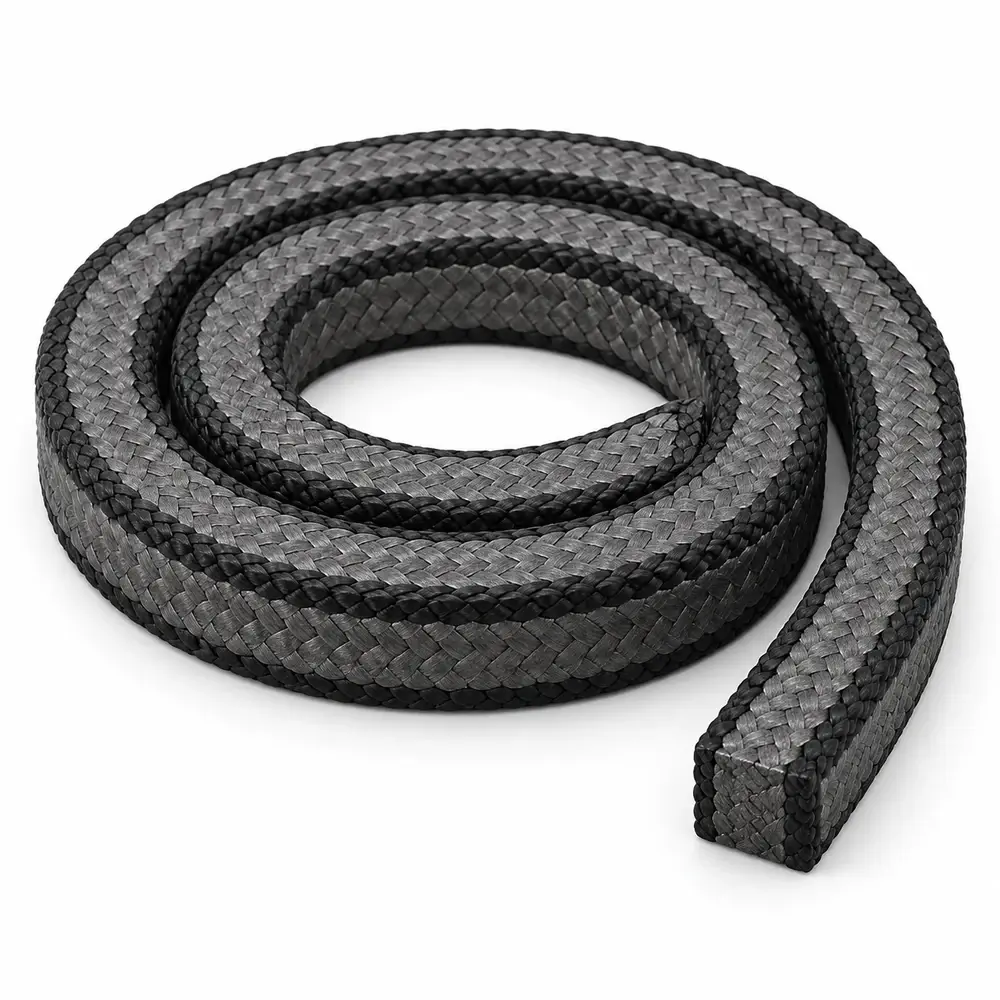
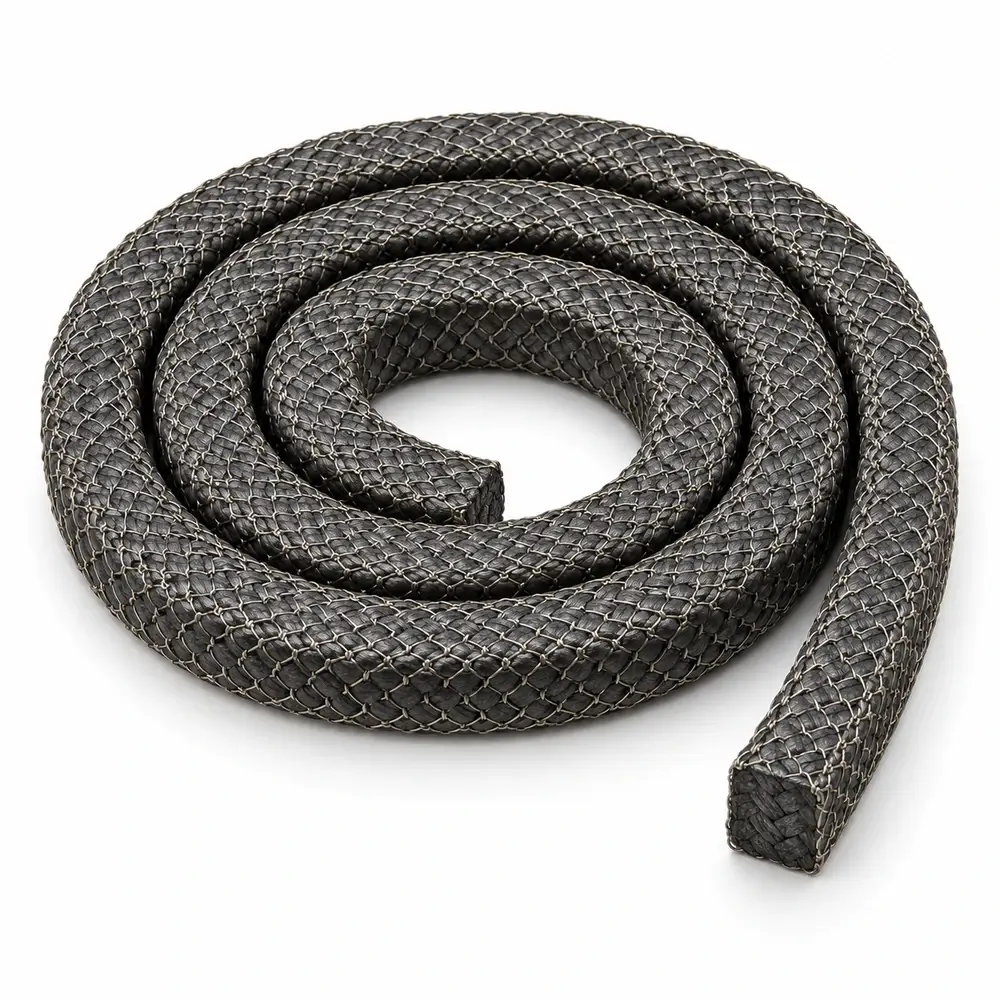
How Should Graphite Packing with PTFE Corners Be Installed? Imagine a procurement manager approving a maintenance window for a chemical plant valve that has just failed a leak test. The old packing is brittle at the corners, the gland is tight, and production cannot wait. The question is not only what to buy, but how to install graphite packing with PTFE corners so the seal survives pressure cycling, thermal expansion, and shaft movement. A rushed cut, wrong corner orientation, or uneven gland torque can turn a premium packing into a repeat leak. Buyers need a clear installation sequence, realistic parameter limits, and a supplier who understands the difference between a catalogue item and a reliable sealing component. For purchasing teams, every hour of downtime has a cost, and a repeat repair can damage supplier credibility as quickly as it damages the valve stem. The right installation plan protects both the seal and the maintenance schedule. Ningbo Kaxite Sealing Materials Co., Ltd. supports this decision with consistent graphite packing with PTFE corners, practical installation guidance, and responsive technical follow-up. This guide walks through preparation, cutting, positioning, torque control, FAQ checks, and the parameters that procurement teams should confirm before the first wrench turns.
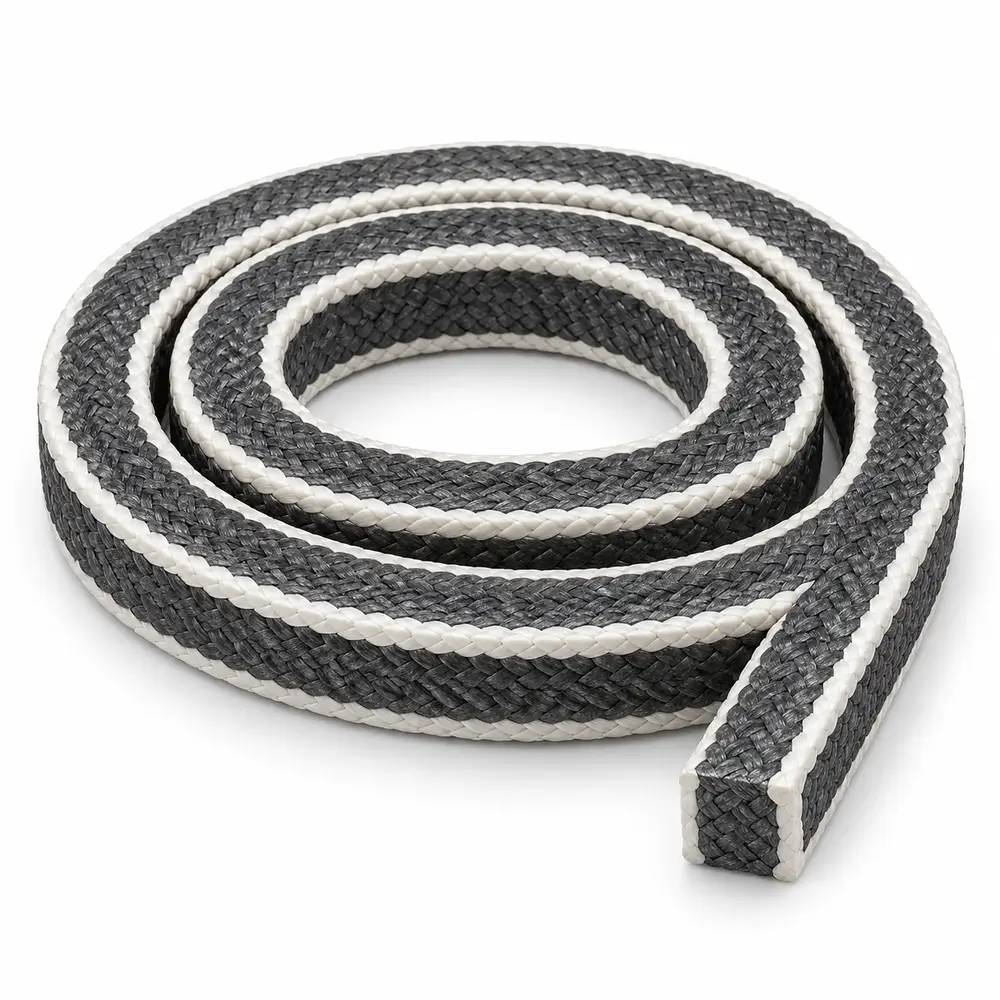
The scenario is familiar: a pump line is scheduled for restart, the maintenance team replaces a packing set, and within two shifts the gland begins to weep. Procurement is asked why the replacement failed, while operations points to the packing material. In many cases, the material was not the main issue. The failure started with a dirty stuffing box, a ring that was not seated squarely, or a PTFE corner that was positioned against the wrong surface. Graphite packing with PTFE corners is designed to improve extrusion resistance and reduce wear at high-stress points, but those benefits depend on controlled compression and correct orientation. A good installation plan starts with verifying the application envelope before the first ring is cut. The purchasing team should confirm media, temperature, pressure, shaft or stem speed, and clearance so the selected packing is suited to the duty. Kaxite helps buyers reduce this risk by matching product recommendations to real operating conditions and by supplying consistent dimensions, density, and corner reinforcement.
| Parameter | Typical Target for Graphite Packing with PTFE Corners | Why the Buyer Should Confirm It |
|---|---|---|
| Temperature | -200°C to 260°C, with media-specific limits for oxidizing service | PTFE corners and graphite braid must suit the actual thermal cycle |
| Pressure | Up to 20 MPa static, lower for rotating service depending on size | Prevents over-compression and premature extrusion |
| pH range | 0–14 for many graphite/PTFE combinations | Chemical compatibility affects service life and leakage risk |
| Shaft or stem speed | 10–15 m/s for many rotating applications; confirm valve stem duty | Speed controls friction, heat, and run-in behavior |
| Packing density | 1.6–1.9 g/cm³ depending on construction | Density affects sealing force and gland adjustment |
| Clearance | 0.3–0.6 mm recommended in many valve boxes; verify drawing | Excess clearance increases extrusion risk at PTFE corners |
A second common scene happens on the bench: an experienced technician measures the old ring, cuts the new one by eye, and installs it without checking stem runout or box condition. The new packing may look correct, but a small burr or an out-of-round stuffing box can create a leak path that no gland torque can fix. Preparation is where procurement and maintenance teams can protect the installation before assembly begins. Clean the stuffing box, remove old packing completely, and inspect the stem or shaft for scoring, pitting, and runout. Confirm the required number of rings from the drawing or from Kaxite’s recommendation, and measure the box depth and width rather than relying only on the old part. Use a mandrel or a clean sleeve to support cutting and to keep ring geometry round. Keep the working area free of grit, because graphite packing with PTFE corners can carry debris into the gland and accelerate wear. The table below gives a practical preparation checklist that buyers can include in a maintenance package.
| Preparation Check | Acceptance Point | Common Error |
|---|---|---|
| Stuffing box cleanliness | No old rings, scale, or grit remain | Reusing a contaminated box |
| Stem or shaft condition | No deep scoring or sharp burrs | Installing over a damaged surface |
| Ring dimensions | Match box ID, OD, and depth | Copying an old ring that has lost shape |
| Number of rings | Confirmed from drawing or supplier guidance | Forcing extra rings into limited depth |
| Cutting support | Clean mandrel or sleeve in use | Cutting flat on a dirty bench |
| Gland and bolts | Free-moving, clean, and lubricated as specified | Seizing bolts during torque-up |
The most avoidable installation problem often appears at the cut. A square cut may look neat, but it can leave a gap when the ring is compressed. A diagonal cut helps the ends close under gland pressure, especially in small valve boxes where access is limited. For graphite packing with PTFE corners, the cut angle and the corner orientation should follow the supplier’s drawing. The PTFE corners are there to resist extrusion and reduce localized wear, so placing them randomly can reduce the intended benefit. Stagger each ring joint by about 90° to 120° from the previous ring to avoid a continuous leak path. Do not twist the ring during installation; twisting can separate the braid and create hard spots. If the box has a high-wear side or a known extrusion zone, confirm with Kaxite whether the reinforced corner should face that side. A clean 45° diagonal cut, consistent ring size, and controlled joint stagger are simple steps that make a measurable difference in leakage control and packing life.
| Cutting and Positioning Task | Recommended Practice | Inspection Point |
|---|---|---|
| Cut angle | 45° diagonal cut with sharp, clean tool | No frayed edges or crushed braid |
| Ring fit | Wrap around mandrel or shaft without twisting | Ring ends meet evenly |
| Joint stagger | Rotate each joint 90°–120° from the last | No aligned gaps through the stack |
| PTFE corner orientation | Follow drawing and confirm high-wear side | Reinforced corner is not reversed |
| Seating | Seat each ring lightly before adding the next | No false gap under the gland |
During a shutdown, the installation sequence can decide whether the valve returns to service smoothly or becomes a repeat job. The team may be tempted to stack all rings and tighten the gland at the end, but that method often leaves the lower rings unseated. Install one ring at a time, seat it evenly, and keep the joint positions staggered. For valve service, cycle the stem gently where the procedure allows so the rings settle before final torque. For pump service, rotate the shaft by hand to check for binding. Keep the gland follower parallel; an uneven gap on one side is a warning sign of cocked packing or uneven bolt load. After the packing stack is complete, apply initial torque in small increments and check that the gland moves squarely. Run the equipment or cycle the valve through its normal stroke, then inspect for leakage and re-torque if the supplier procedure requires it. Graphite packing with PTFE corners performs best when compression is gradual and the gland is adjusted from a stable, centered position.
| Installation Step | Action | Acceptance Check |
|---|---|---|
| 1. Install bottom ring | Seat gently and squarely in the box | Ring sits flat with no distortion |
| 2. Add remaining rings | Stagger joints and seat each ring | No continuous joint line through stack |
| 3. Fit gland follower | Enter squarely by hand before torque | Gland gap is even around the stem |
| 4. Apply initial torque | Increase in small, even increments | No cocking or binding |
| 5. Run-in and inspect | Cycle stem or rotate shaft, then check leakage | Leakage trends downward, not upward |
Over-tightening is a frequent response to a small leak, but it can raise friction, generate heat, and shorten packing life. Under-tightening creates a different problem: the gland cannot maintain enough sealing force, and leakage increases as the packing relaxes. The correct approach is to use a controlled starting torque, check gland movement, and allow a short run-in period before final adjustment. Clearance also deserves attention. If the stuffing box clearance is too large, the PTFE corners may be asked to resist extrusion beyond their design intent. If the stem is scored, the packing cannot seal evenly no matter how carefully the bolts are tightened. Buyers should request the supplier’s torque guidance for the specific size and application, and maintenance teams should record the final bolt load or gland position for future repairs. The table below summarizes practical checks that support a stable installation and a more predictable maintenance interval.
| Check | Practical Target | Corrective Action |
|---|---|---|
| Gland alignment | Even gap around the stem or shaft | Loosen and reseat the follower |
| Initial torque | Supplier-recommended starting value for the size | Increase in small increments, not one pass |
| Leakage after run-in | Stable or reducing trend | Adjust only after the packing settles |
| Friction or heat | No abnormal temperature rise or binding | Reduce torque and inspect orientation |
| Clearance | Within drawing or application limit | Review box condition or packing size |
Start by confirming the box depth and the number of rings; limited clearance makes extra rings a liability rather than a benefit. Cut each ring with a clean 45° diagonal cut, install one ring at a time, and stagger the joints. Keep the gland follower square and apply torque gradually. If the PTFE corner orientation is specified in the drawing, follow it exactly, because reversing the corner can reduce extrusion resistance. After the valve is assembled, cycle the stem through its normal stroke if the procedure allows, inspect for leakage, and re-torque only after the packing has settled. Kaxite can review the valve size and service conditions and provide a practical ring count and installation note for the order.
Before ordering, confirm the shaft or stem diameter, stuffing box dimensions, media, temperature, pressure, speed, and clearance. Ask for the recommended ring count, cut angle, PTFE corner orientation, and starting torque. A supplier who can answer these questions quickly reduces the risk of a shutdown delay. Ningbo Kaxite Sealing Materials Co., Ltd. supports buyers with size confirmation, batch consistency, and technical guidance so the packing arrives ready for the installation plan rather than becoming a trial-and-error exercise on site.
The procurement challenge is not only finding a low price; it is finding a supplier who can help the maintenance team avoid a repeat failure. A delayed answer about ring count or corner orientation can cost more than the packing itself. Kaxite addresses this by combining production control with practical application support. Buyers can request dimensional confirmation, material recommendations, and installation guidance before the purchase order is released. Consistent density and braid quality help the maintenance team apply the same torque and seating method from one batch to the next. For high-turnaround projects, clear packing, labeling, and batch traceability simplify receiving and storage. The table below shows how supplier support connects to common installation risks and gives procurement teams a simple way to evaluate a sealing partner.
| Installation Risk | Kaxite Support | Buyer Benefit |
|---|---|---|
| Wrong size or ring count | Drawing review and size confirmation | Fewer shutdown delays |
| Unclear corner orientation | Application-specific installation notes | Better extrusion resistance |
| Batch variation | Consistent density and dimensional control | Repeatable torque and seating |
| Urgent maintenance window | Responsive technical follow-up and order support | Faster decisions under pressure |
| Documentation needs | Batch traceability and clear labeling | Easier receiving and inventory control |
If your team is preparing a shutdown, comparing suppliers, or reviewing a repeated packing leak, use the installation checklist above and share the valve size, media, and operating conditions with the supplier before ordering. A short technical review can prevent a long maintenance delay and help the maintenance crew start with the right ring count, cut plan, and torque target.
Ningbo Kaxite Sealing Materials Co., Ltd. is a sealing materials supplier focused on practical, reliable solutions for maintenance and procurement teams. The company supports buyers of graphite packing with PTFE corners with product selection, dimensional confirmation, batch consistency, and responsive technical communication. Its product information and sealing resources are available at https://www.graphite-ptfe-packing.com, and project questions can be sent to [email protected] for a direct response.
Smith, J. A., & Chen, L. (2018). Effect of PTFE corner reinforcement on the tribological behavior of expanded graphite packing. Tribology International, 124, 215–223.
Müller, R., & Tanaka, K. (2017). Leakage and friction of braided graphite packings under cyclic stem motion. Sealing Technology, 2017(9), 7–12.
Patel, V. R., & Okafor, C. (2020). Gland torque optimization for graphite packing in quarter-turn valves. Journal of Pressure Vessel Technology, 142(4), 041402.
Wang, H., Li, Y., & Zhou, M. (2019). Thermal stability of graphite/PTFE composite packing rings in high-temperature steam. Polymer Composites, 40(6), 2281–2290.
Garcia, M. E., & Novak, P. (2016). Extrusion resistance of reinforced packing corners in reciprocating pumps. Wear, 362–363, 88–96.
Kim, S. H., & Park, J. W. (2021). Installation factors affecting the service life of graphite valve packing. Journal of Loss Prevention in the Process Industries, 69, 104356.
Robinson, D., & Ahmed, S. (2015). Friction and wear of PTFE-reinforced graphite braided packings. Tribology Transactions, 58(3), 451–460.
Chen, X., & Brown, A. (2022). Qualification of low-emission graphite packing for chemical service. Sealing Technology, 2022(5), 5–10.
Ivanov, D., & Petrova, N. (2014). Stress relaxation in compressed graphite packing rings. Materials & Design, 56, 310–317.
Lee, J., & Martin, R. (2023). Procurement and quality control of graphite packing with PTFE corners for valve maintenance. Journal of Engineering Asset Management, 11(2), 77–86.
-
0086-574-87527773
No 432 Zhenhai Middle Road, Luotuo Street, Zhenhai District, Ningbo City, Zhejiang China