
QR Code

About Us
Products
Contact Us

Phone

Fax
0086-574-87527773

Email

Address
No 432 Zhenhai Middle Road, Luotuo Street, Zhenhai District, Ningbo City, Zhejiang China


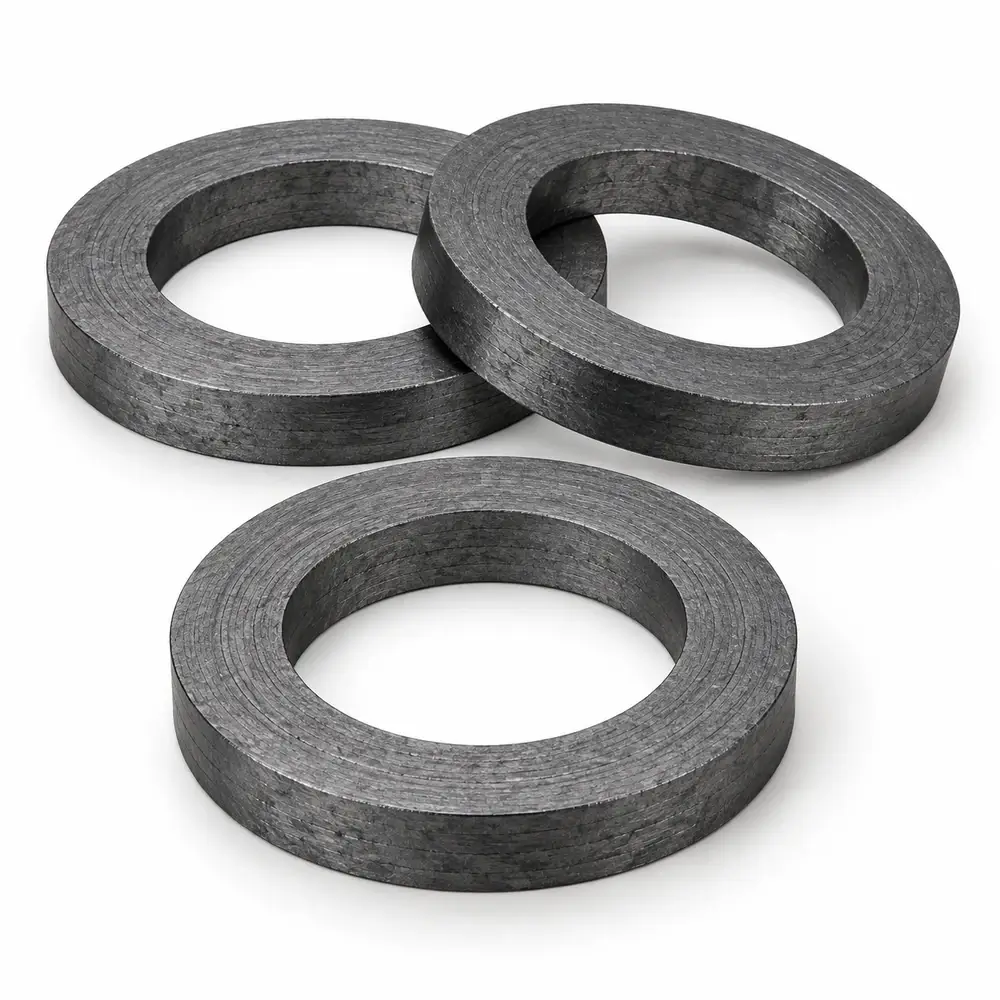
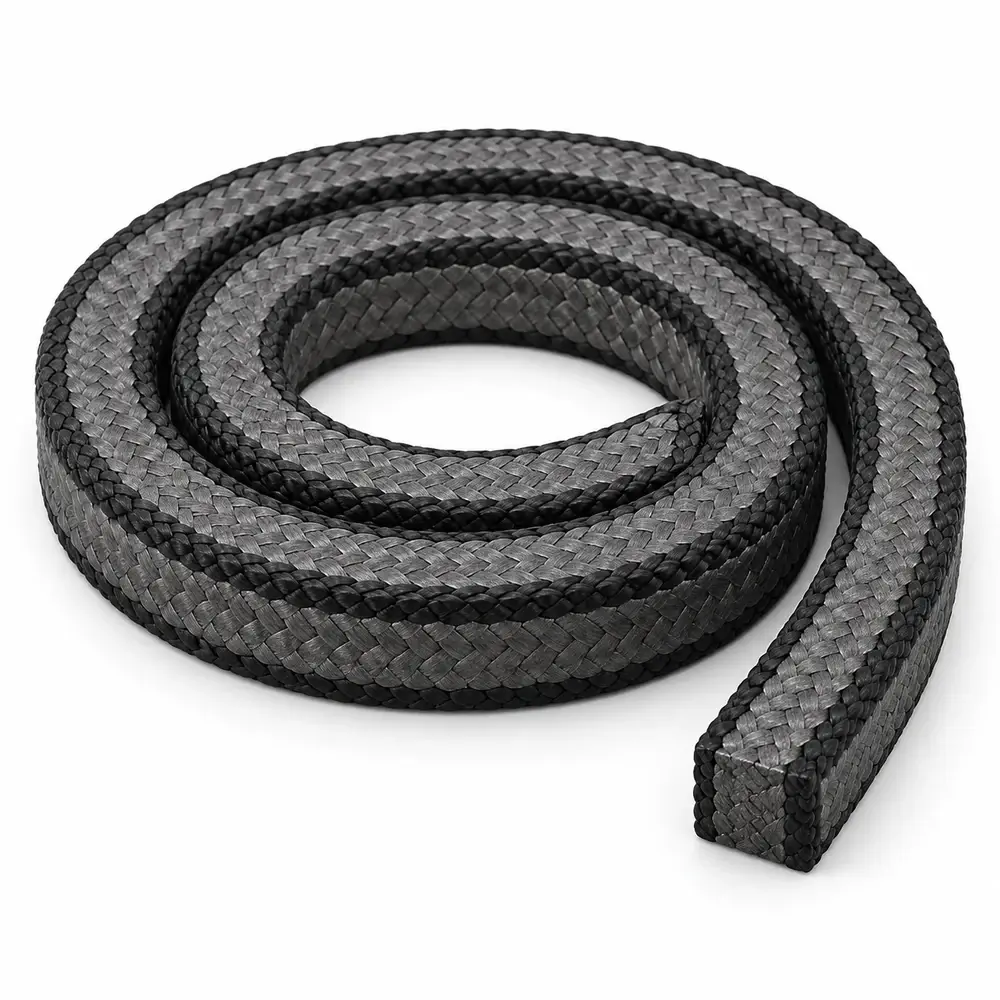
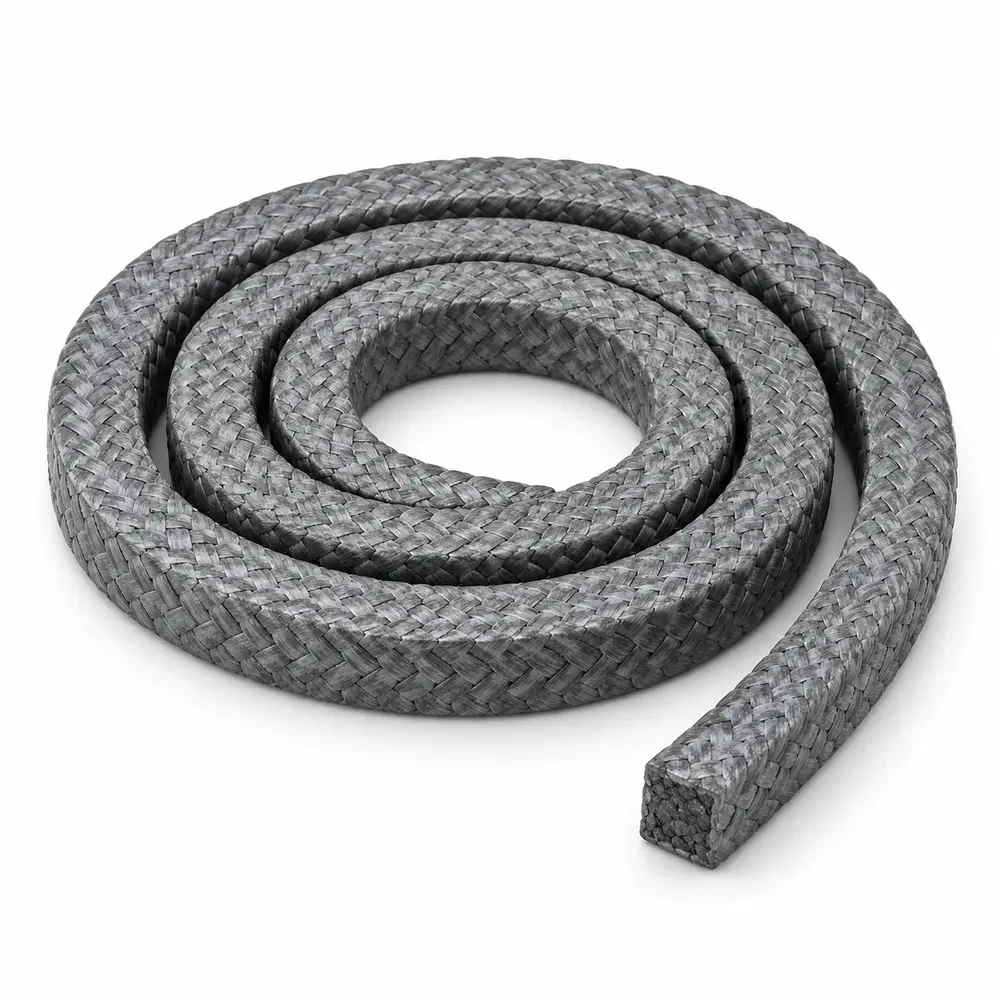
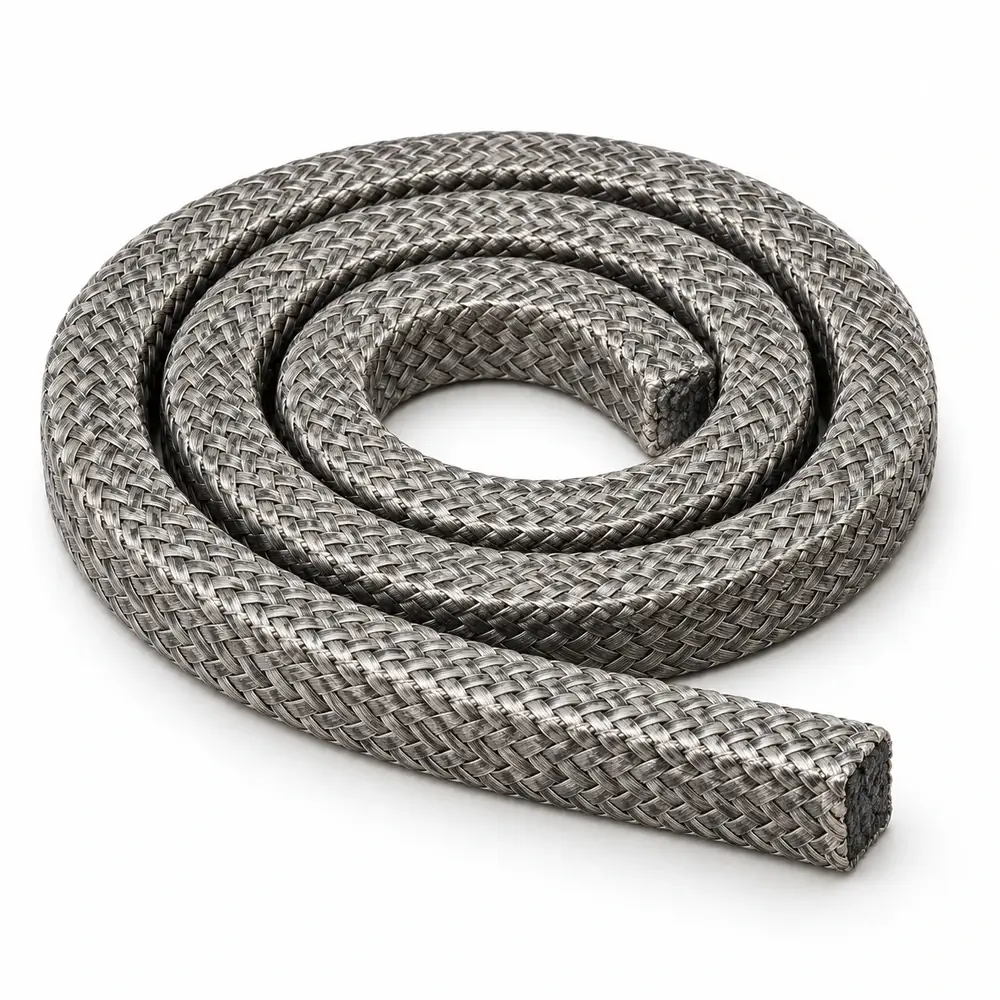
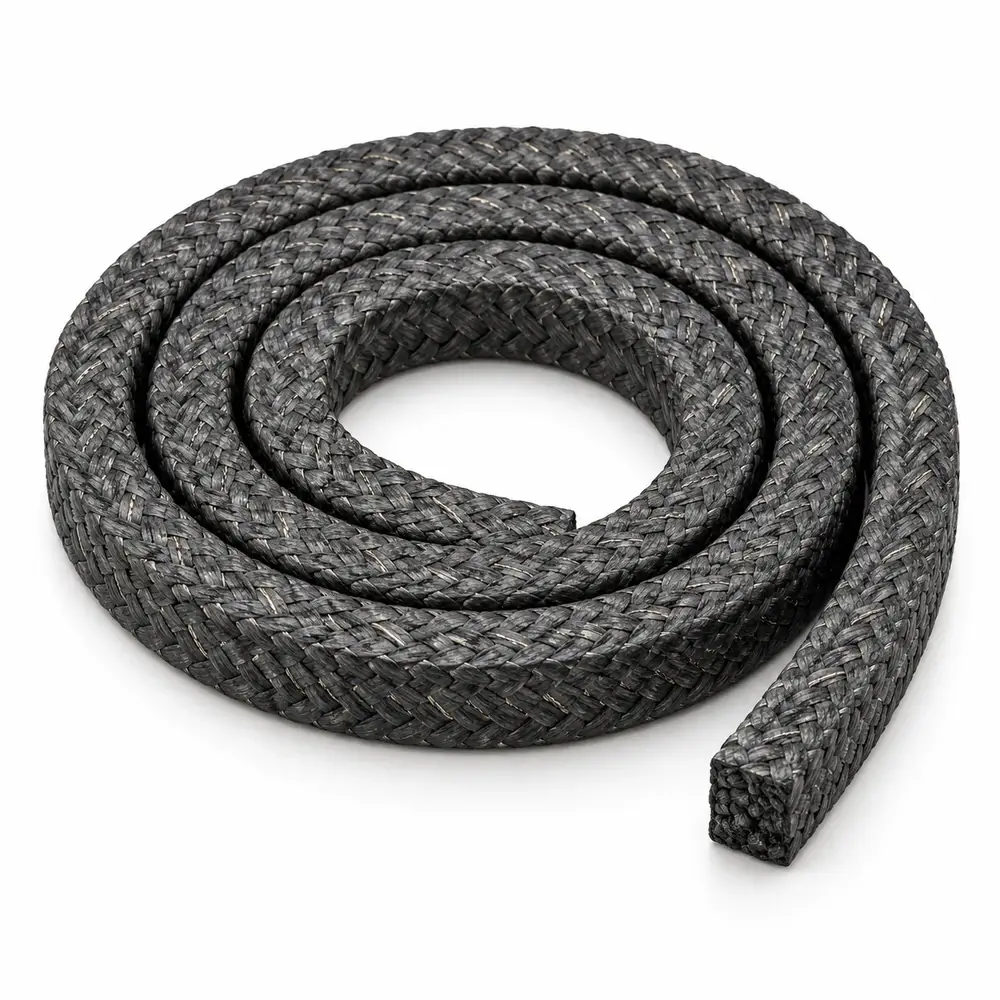
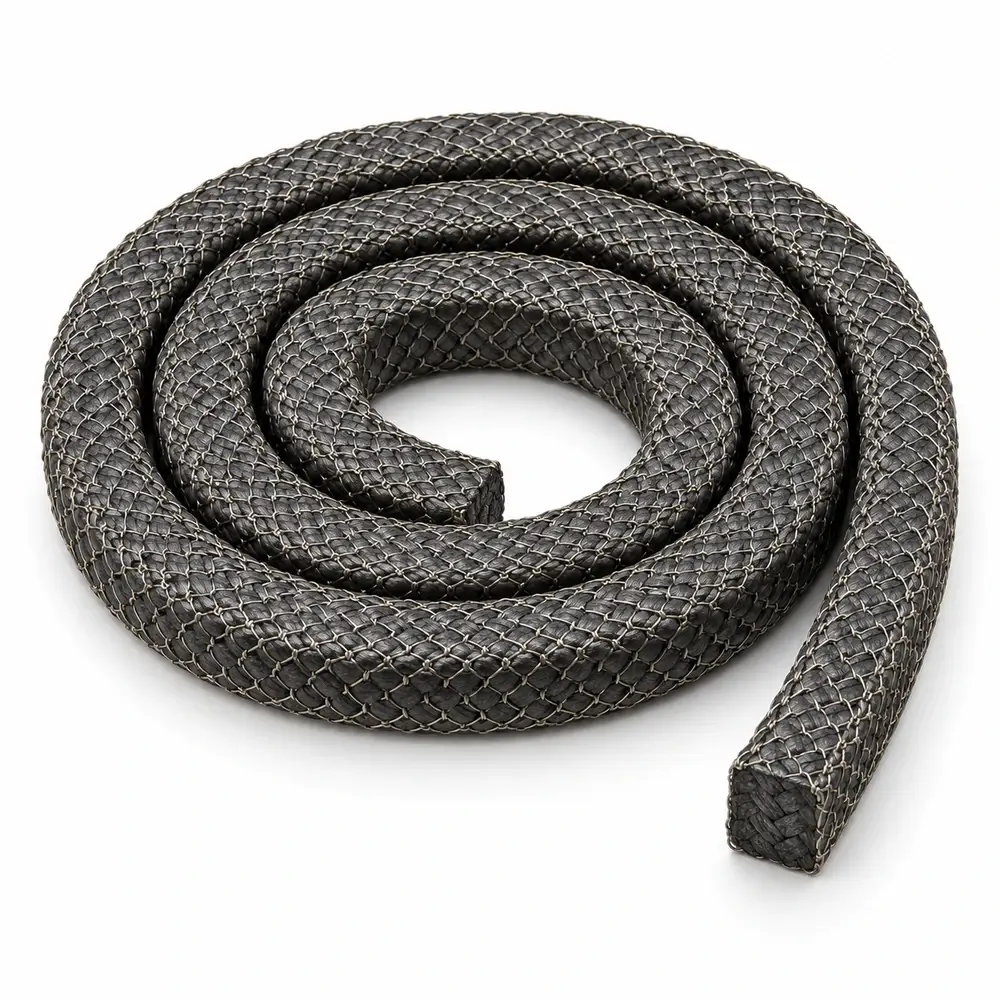
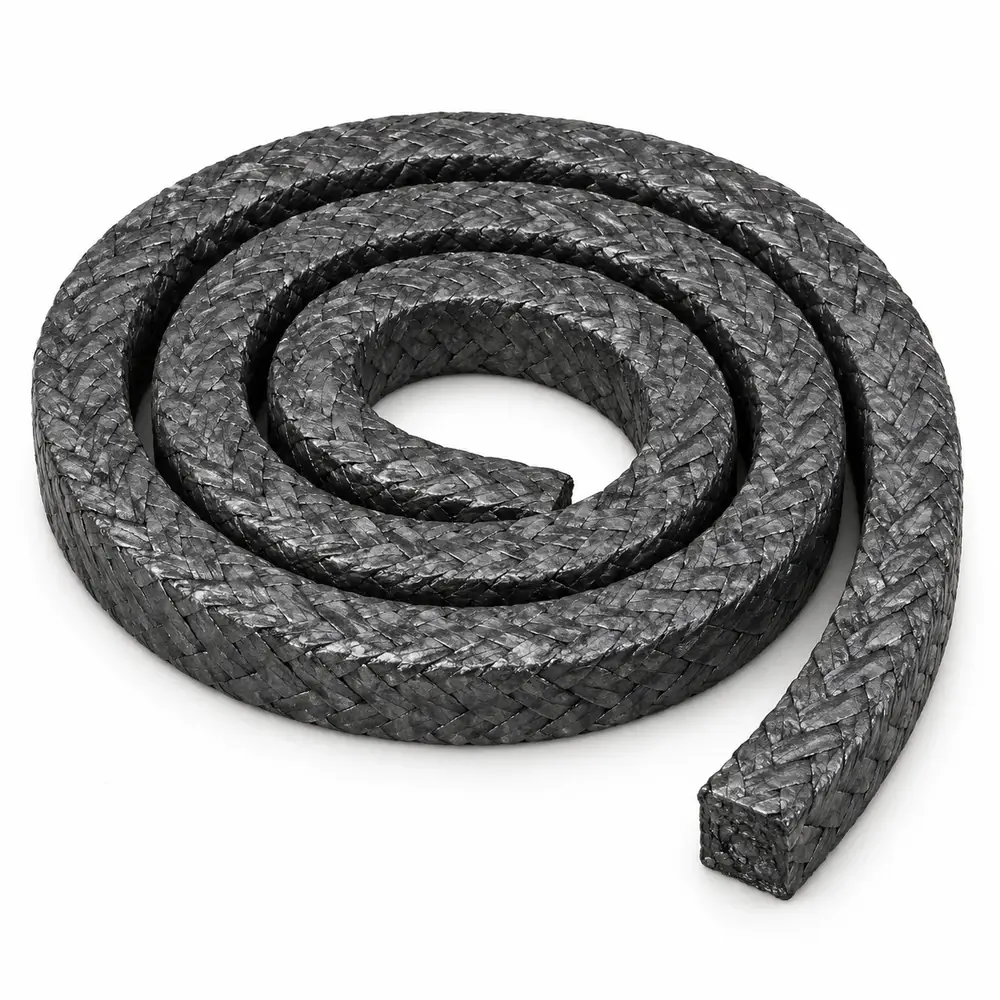
At 2:00 a.m., a maintenance engineer smells a faint hydrocarbon leak near a high-temperature valve. The pump is still running, the line is hot, and every minute of downtime has a cost. This is the moment when gasket and packing decisions stop being a purchasing detail and become an operational priority. If you are sourcing sealing materials, you may be asking: How do you choose the right flexible graphite packing? The answer is not simply “pick the highest temperature rating.” It starts with the service conditions: media, temperature, pressure, shaft or stem speed, pH, thermal cycling, equipment condition, and the installation method your team can repeat safely. Flexible Graphite Packing performs well in steam, hot oils, solvents, and many chemical services because it remains compliant under heat, but grade, density, braid structure, lubricant treatment, and dimensional tolerance all affect leakage control and service life. A packing that is too soft may extrude; one that is too dense may generate heat or score the stem. A supplier who understands these trade-offs can prevent repeat failures and reduce total cost. Ningbo Kaxite Sealing Materials Co., Ltd. helps procurement teams match flexible graphite packing to real plant conditions, so buyers can compare specifications with confidence and avoid emergency purchases driven by avoidable leaks.
Pain point: A purchasing team receives three quotes for flexible graphite packing, and the data sheets look nearly identical. One supplier promises high temperature resistance, another highlights low friction, and a third offers the lowest price. Without a line-by-line review, the buyer can easily choose a packing that fits the catalog but not the valve, pump, or reactor where it will be installed.
Solution: Build a selection map before comparing prices. Record the real operating window, confirm how the equipment is maintained, and ask for packing construction details that affect compression, recovery, and leakage control. Ningbo Kaxite Sealing Materials Co., Ltd. supports this review with practical questions that turn vague requirements into a clear specification, so procurement teams can compare like with like and reduce repeat failures.
| Parameter | Procurement question | Why it controls success |
|---|---|---|
| Service media | Is the line steam, oil, solvent, water, caustic, or a mixed chemical stream? | Chemistry affects binder, lubricant, and reinforcement choices. |
| Temperature range | What is the normal range, and what is the upset peak? | Thermal expansion and oxidation risk change with temperature. |
| Pressure | Is pressure steady, cyclic, or isolated by a control valve? | Pressure influences density, extrusion resistance, and gland load. |
| Equipment type | Valve stem, pump shaft, expansion joint, or static seal? | Motion and clearance determine packing style and fit. |
| Emissions target | Is there a plant limit, API 622 reference, or ISO 15848 requirement? | Low-emission service needs tighter process control and documentation. |
| Installation method | Can technicians cut, stagger, torque, and run in rings consistently? | Good packing can fail if installation control is poor. |
Pain point: A packing that works beautifully in steam can disappoint in a strong oxidizer or a solvent stream with trace contaminants. Buyers sometimes treat flexible graphite as a universal material, then discover that the service media attacks the lubricant, changes friction, or accelerates degradation.
Solution: Screen chemistry before temperature and price. Confirm the actual media, concentration, moisture, and possible carryover from upstream processes. For mixed-service plants, keep separate specifications rather than one “general purpose” packing for every line. Ningbo Kaxite Sealing Materials Co., Ltd. can help buyers review service media and recommend flexible graphite packing options that fit the application instead of forcing one grade across the plant.
| Service media | Typical risk | Packing consideration |
|---|---|---|
| Steam | Thermal cycling and oxidation | Select grade and density for steam temperature and gland control. |
| Hot oils | Lubricant compatibility and coke formation | Confirm temperature limit and friction behavior. |
| Solvents | Extraction of treatment agents | Review binder and lubricant compatibility. |
| Caustic and chemical streams | Contamination and changed friction | Verify material compatibility and leakage target. |
| Strong oxidizers | Material degradation risk | Do not assume graphite packing is suitable; confirm with technical review. |
| Water and slurry | Abrasion and shaft wear | Check particle content, speed, and flush plan. |
Pain point: A low-cost packing passes the first week, then leaks after several heat-up and cool-down cycles. The maintenance team retorques the gland, adds more rings, and repeats the same failure. The hidden cost is not the packing price; it is downtime, steam loss, product loss, and technician time.
Solution: Separate continuous temperature from peak temperature, and ask how often the equipment cycles. Flexible graphite packing handles high heat well, but oxidation, gland load relaxation, and stem expansion still matter. A practical specification should include temperature range, atmosphere, cycle frequency, and allowable gland adjustment. Ningbo Kaxite Sealing Materials Co., Ltd. helps buyers connect these details to packing construction and installation practice, which is often the difference between a short repair and a stable seal.
| Temperature factor | What to verify | Parameter to record |
|---|---|---|
| Normal operating temperature | Continuous service range | Minimum and maximum °C or °F |
| Upset peak | Duration and frequency of excursions | Peak temperature and time |
| Atmosphere | Air, steam, inert gas, or product exposure | Oxidation risk level |
| Thermal cycling | Start-up and shutdown frequency | Cycles per month |
| Gland adjustment | Available maintenance access | Retorque interval and limit |
| Hardware growth | Stem and housing expansion mismatch | Material and clearance data |
Pain point: Buyers often focus on pressure rating but overlook shaft runout, stem finish, clearance, and gland bolt condition. A premium flexible graphite packing can still leak if the stem is scored, the clearance is excessive, or the gland cannot apply even load.
Solution: Treat the packing as part of a sealing system. Check pressure, motion, shaft or stem speed, surface finish, runout, and available gland travel. For pumps, confirm flush and cooling arrangements. For valves, confirm cycling frequency and stem alignment. Ningbo Kaxite Sealing Materials Co., Ltd. works with procurement and maintenance teams to review these variables, so the selected flexible graphite packing matches the equipment rather than only the process data sheet.
| Equipment factor | Common problem | Selection check |
|---|---|---|
| Pressure | Extrusion or blowout risk | Confirm steady and peak pressure |
| Shaft or stem speed | Heat generation and wear | Record rpm or valve cycles |
| Runout and alignment | Uneven compression and leakage | Measure runout before installation |
| Clearance | Packing migration or extrusion | Compare housing and stem dimensions |
| Stem finish | Scoring and friction damage | Verify surface finish and hardness |
| Gland condition | Uneven torque and poor load | Inspect bolts, nuts, and gland face |
Pain point: A maintenance crew installs the correct packing but cuts rings unevenly, stacks joints in line, or overtightens the gland. The result is friction, heat, and a leak that looks like a material defect. Procurement then faces warranty disputes while production loses time.
Solution: Ask for installation guidance with the quotation. Rings should be cut cleanly, joints staggered, and gland torque applied in controlled steps. A short run-in and leak check should follow. Ningbo Kaxite Sealing Materials Co., Ltd. can provide practical packing selection support and documentation that helps buyers align purchasing, stores, and maintenance before the box reaches the site.
| Installation step | Risk if ignored | Control parameter |
|---|---|---|
| Ring cutting | Poor fit and uneven compression | Square cut and correct size |
| Joint staggering | Leak path through aligned joints | 90° or 120° offset |
| Gland torque | Overheating or insufficient seal | Stepwise torque record |
| Run-in | Initial heat and friction spike | Controlled start-up procedure |
| Leak check | Hidden emissions after restart | Leak test and retorque log |
| Spare storage | Contamination or dimensional damage | Clean, dry, protected storage |
Question: How do you choose the right flexible graphite packing when one storeroom serves steam, oil, and chemical lines?
Answer: Do not choose one general-purpose packing for every line. Group equipment by media, temperature, pressure, and motion, then set a minimum specification for each group. Keep the part numbers simple enough for stores to manage, but precise enough for maintenance to install correctly. A supplier such as Ningbo Kaxite Sealing Materials Co., Ltd. can help buyers build this selection matrix and avoid emergency purchases based on price alone.
| Question | Purchasing answer | Parameter to verify |
|---|---|---|
| Can one grade cover all lines? | Only for low-risk, similar services | Media, temperature, pressure |
| Should stores keep one size? | No; size follows housing dimensions | Stem or shaft diameter |
| When is a premium grade justified? | High cycling, emissions limits, or costly downtime | Leak target and maintenance access |
| What should be on the PO? | Grade, size, density, documentation, and installation note | Specification and batch traceability |
Question: How do you choose the right flexible graphite packing when a plant has low-emission targets and limited maintenance windows?
Answer: Start with the emission target, then verify that the equipment can support it. Check stem finish, runout, gland condition, and installation control before assuming a premium packing will solve the problem. Ask for consistent dimensions, batch documentation, and practical run-in guidance. Ningbo Kaxite Sealing Materials Co., Ltd. helps buyers connect low-leakage requirements to realistic packing specifications, so the purchase supports the plant target instead of creating a new maintenance issue.
| Leakage target | What buyers should confirm | Documentation check |
|---|---|---|
| Plant emission limit | Test method and acceptance criteria | Material data and batch record |
| Tight maintenance window | Installation time and retorque plan | Installation instructions |
| High cycle service | Packing recovery and friction behavior | Grade and construction details |
| Critical equipment | Spare availability and traceability | Part number and lead time |
Pain point: The lowest quotation can become the most expensive choice when dimensions are inconsistent, documentation is missing, or technical questions go unanswered after the order is placed.
Solution: Evaluate the supplier with the same care as the material. Confirm size tolerance, packing construction, batch traceability, export packing, and response speed. A reliable partner helps procurement teams reduce risk before the goods ship. Ningbo Kaxite Sealing Materials Co., Ltd. focuses on sealing material supply for industrial buyers and can support flexible graphite packing selection with practical communication from inquiry to delivery.
| Supplier check | Why it matters | What to request |
|---|---|---|
| Dimensional control | Fit and compression depend on tolerance | Size range and inspection data |
| Material consistency | Batch variation can change leakage performance | Batch traceability and grade details |
| Technical support | Selection errors are costly | Application review and installation guidance |
| Export packing | Damaged rings may not seal correctly | Protective packaging and labels |
| Lead time | Emergency buying increases risk | Stock policy and production schedule |
| Contact response | Problems need fast answers | Named contact and email support |
Send your line conditions, equipment drawing, and leak history to Ningbo Kaxite Sealing Materials Co., Ltd. before the next shutdown. Clear input leads to a better flexible graphite packing choice, fewer emergency orders, and a more predictable maintenance plan. Visit https://www.graphite-ptfe-packing.com to review product options and start the conversation.
For buyers who need a practical partner rather than a catalog promise, Ningbo Kaxite Sealing Materials Co., Ltd. supports flexible graphite packing selection with application review, dimensional checks, documentation, and responsive export service. Visit https://www.graphite-ptfe-packing.com or email [email protected] to discuss your valve, pump, or reactor sealing requirements.
Chung, D. D. L. (1987). Exfoliation of graphite. Journal of Materials Science, 22(12).
Celzard, A., Marêché, J. F., & Furdin, G. (2005). Modelling of exfoliated graphite. Progress in Materials Science, 50(1).
Chung, D. D. L. (2000). Flexible graphite for gasketing, adsorption, electromagnetic interference shielding, vibration damping, electrochemical applications, and stress sensing. Journal of Materials Engineering and Performance, 9(2).
Roos, E., & Maile, K. (2011). High-temperature sealing performance of graphite gaskets in power plant components. International Journal of Pressure Vessels and Piping, 88(5–6).
Koga, N., et al. (2013). Leakage behavior of flexible graphite gaskets under thermal cycling. Journal of Pressure Vessel Technology, 135(3).
Kim, H. K., & Park, J. S. (2016). Tribological evaluation of braided graphite packings for valve stems. Tribology International, 96.
Zhang, Y., et al. (2018). Effect of compression ratio on sealing performance of expanded graphite packing. Materials & Design, 142.
Li, W., & Chen, Y. (2019). Emission control of valve stem packing using flexible graphite. Petroleum Science and Technology, 37(8).
Wang, X., et al. (2020). Thermal oxidation and sealing reliability of flexible graphite packings in steam service. Journal of Materials Engineering and Performance, 29(6).
Muthukumar, N., et al. (2021). Performance review of graphite packing systems for high-temperature industrial valves. Journal of Loss Prevention in the Process Industries, 70.
0086-574-87527773
No 432 Zhenhai Middle Road, Luotuo Street, Zhenhai District, Ningbo City, Zhejiang China