
QR Code

About Us
Products
Contact Us

Phone

Fax
0086-574-87527773

Email

Address
No 432 Zhenhai Middle Road, Luotuo Street, Zhenhai District, Ningbo City, Zhejiang China


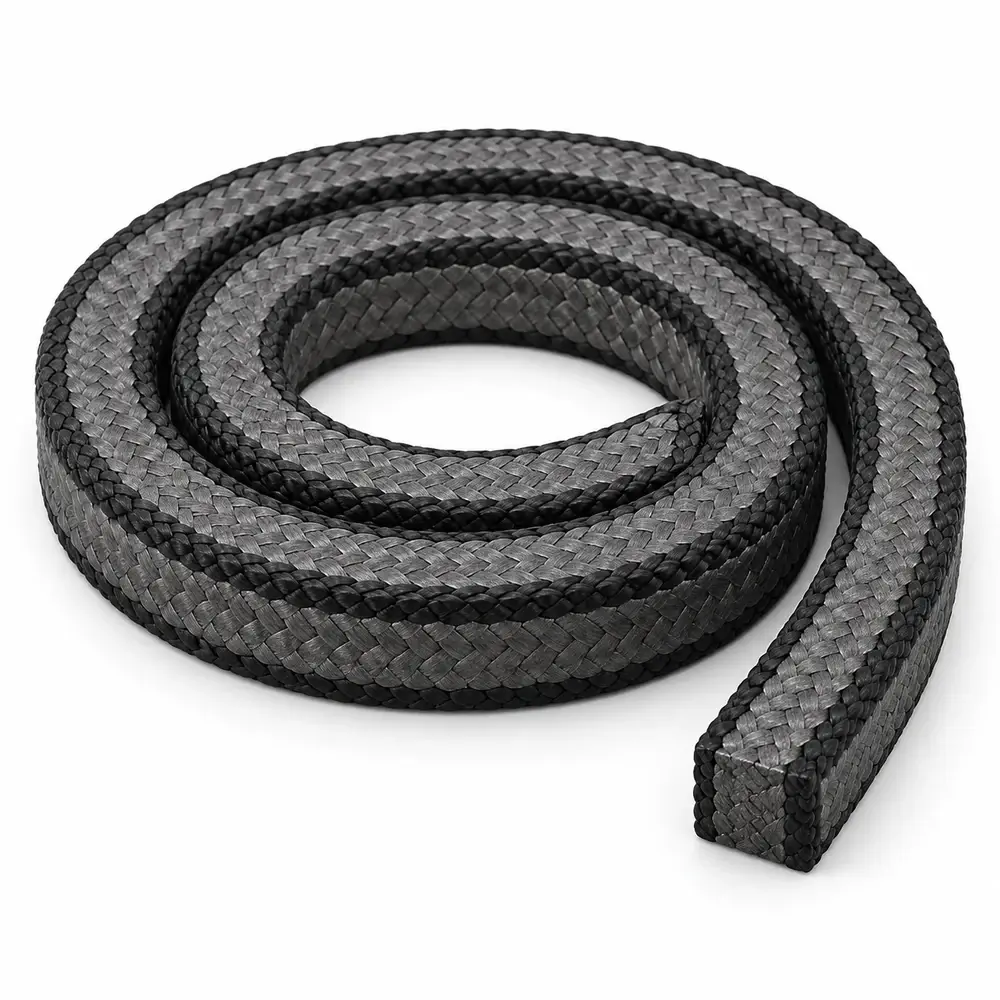
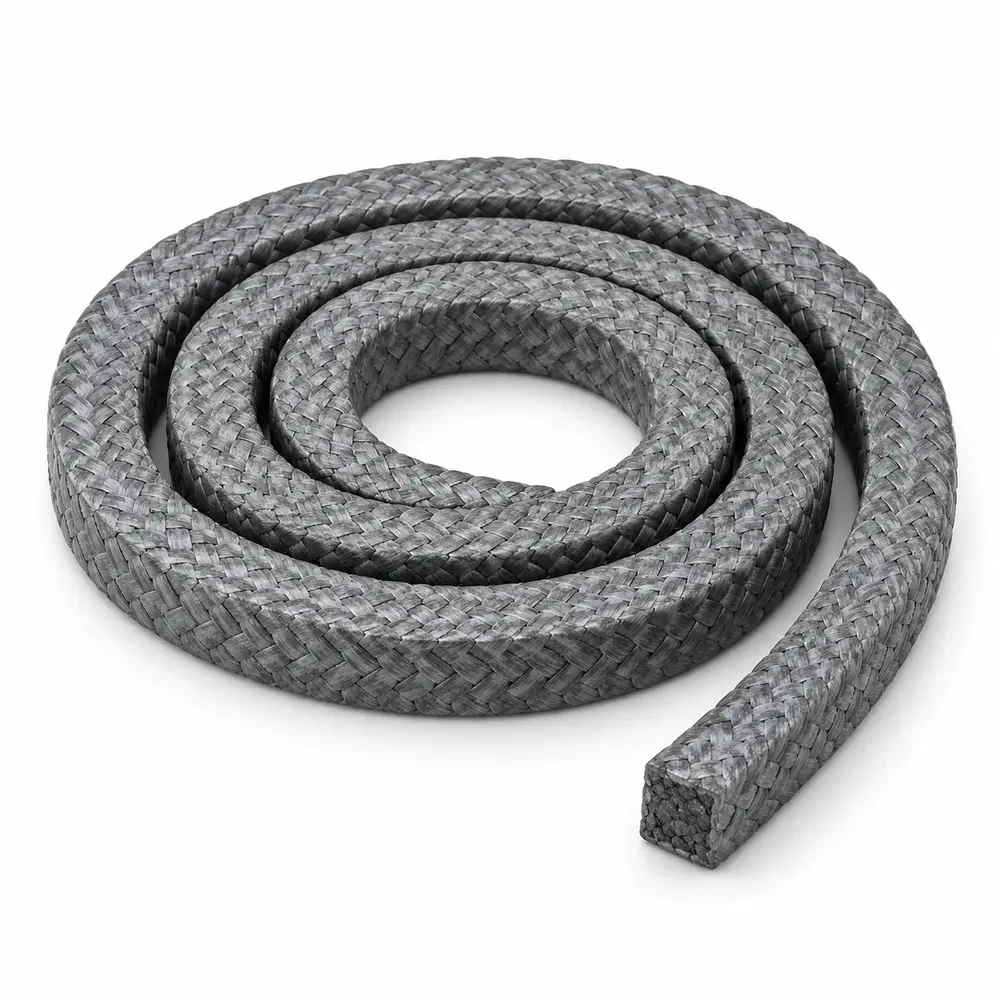
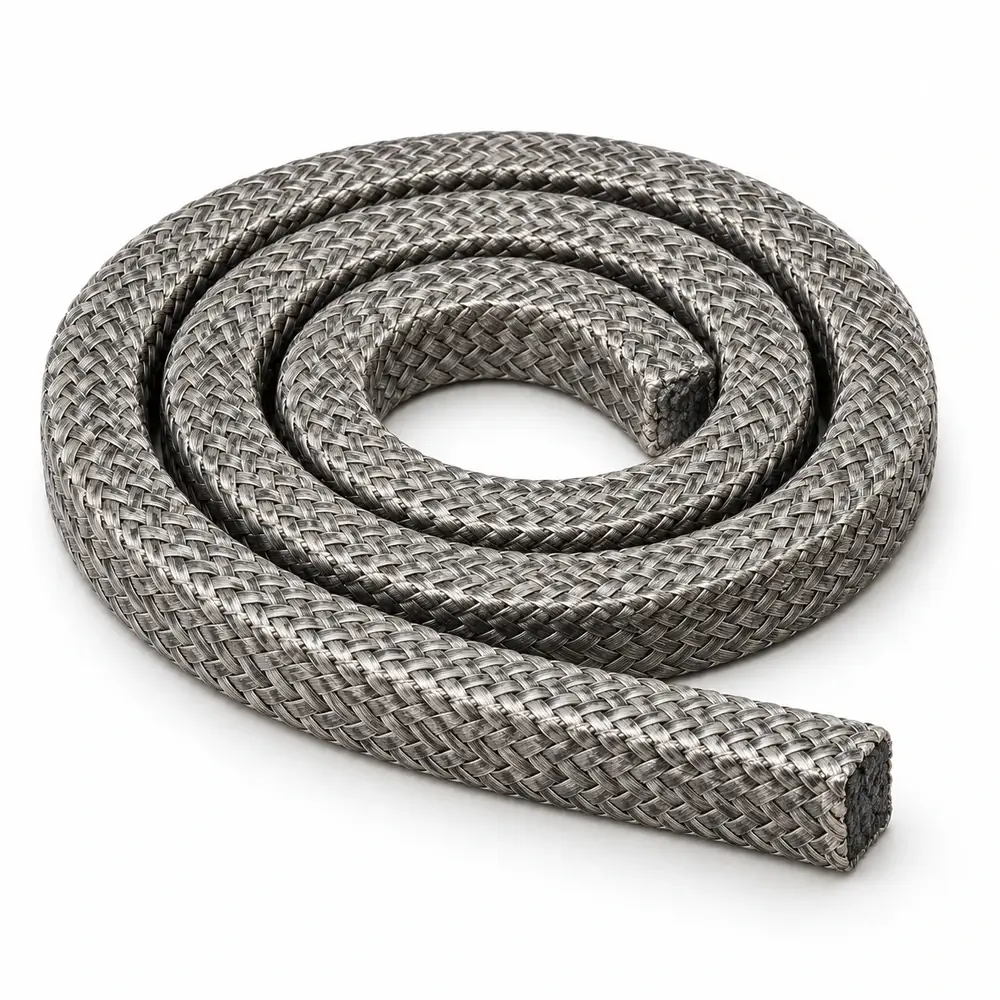
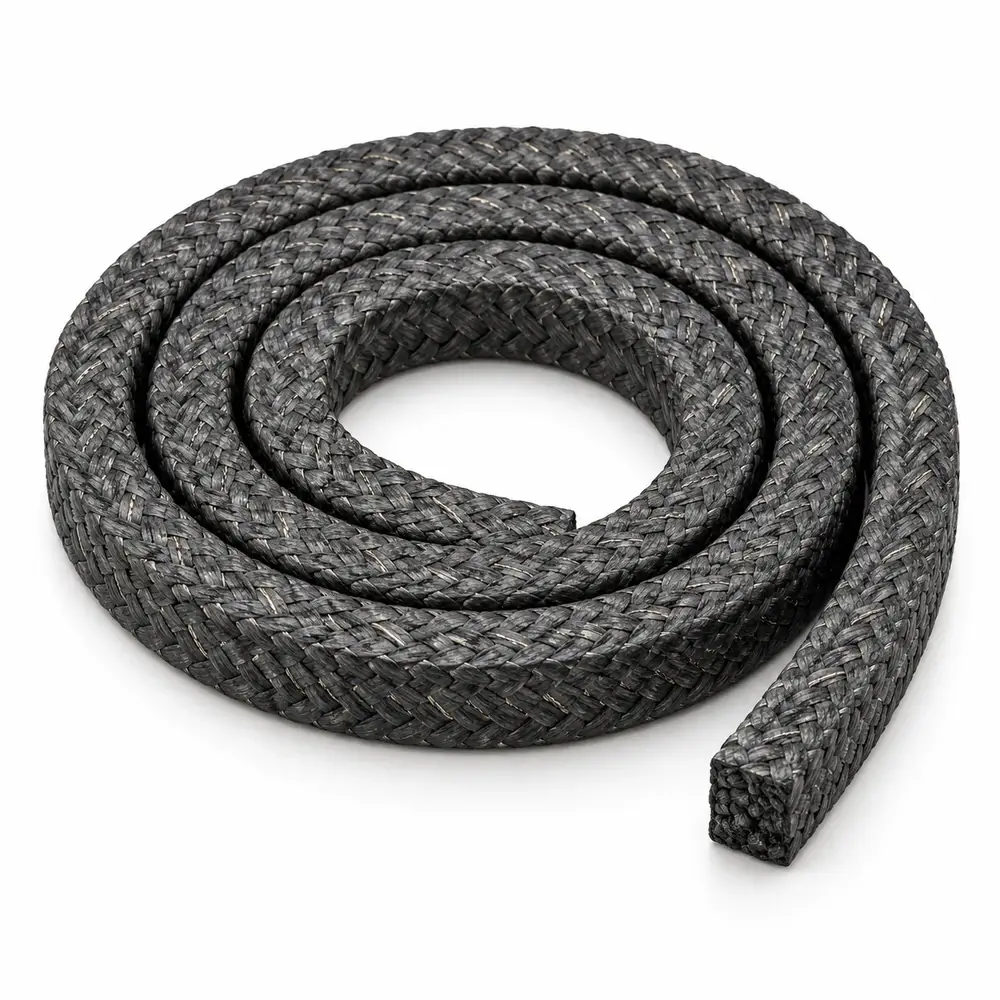
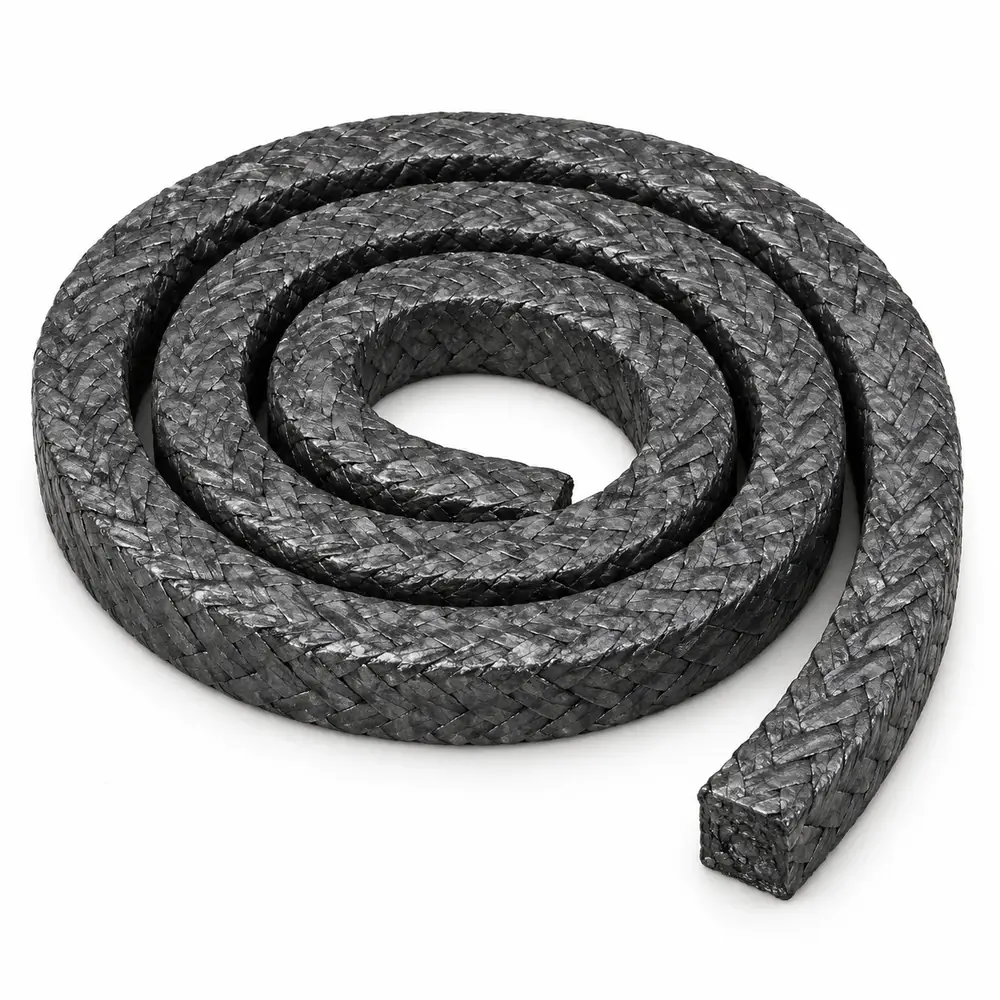
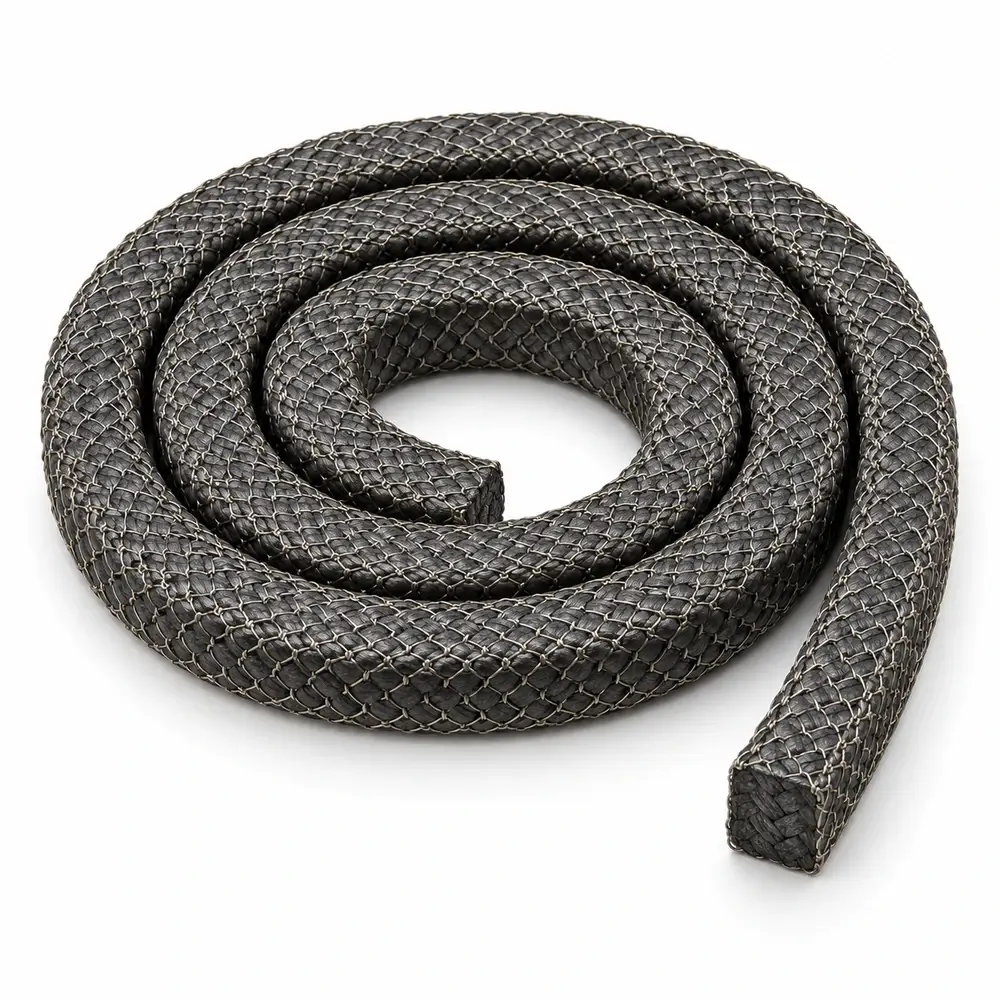
How Do You Choose the Right Graphite Packing for Your Application? Picture a plant maintenance team facing a leaking pump on a Friday afternoon: the storeroom has three boxes of graphite packing, the nameplate calls for a high-temperature service, and production needs the line back before the next shift. The wrong choice can score a shaft, raise gland torque, or create a leak that returns within days. The right choice starts with the application, not the catalog page. Graphite packing is not a single product; it includes expanded graphite packing, die-formed graphite rings, graphite packing with PTFE, and braided styles with different binders, lubricants, and reinforcement. Each option reacts differently to steam, solvents, caustics, acids, hot oil, and cycling conditions. A buyer who checks media compatibility, temperature, pressure, shaft speed, pH, oxidation risk, and gland condition before ordering will usually avoid the most expensive mistake: saving a few dollars on packing and losing a shift to rework. This guide turns that selection process into a practical path for procurement teams, maintenance engineers, and distributors. It explains where graphite packing performs well, where it needs a different material, and how to compare offers with a clear parameter table. It also shows how Ningbo Kaxite Sealing Materials Co., Ltd. supports buyers with application review, sample evaluation, and consistent sealing materials for pumps and valves.
Article outline
Pain point scene: A buyer receives two quotes for “graphite packing” with similar prices, but one supplier offers expanded graphite tape and the other offers a die-formed graphite ring. The pump is a solvent transfer unit with a stainless sleeve, moderate pressure, and frequent starts. The purchasing team wants to compare apples to apples, but the offers use different names, densities, and lubricant treatments. Choosing by price alone can lead to a soft packing that extrudes, a hard ring that cannot follow shaft movement, or a product that performs well in steam but poorly in solvent.
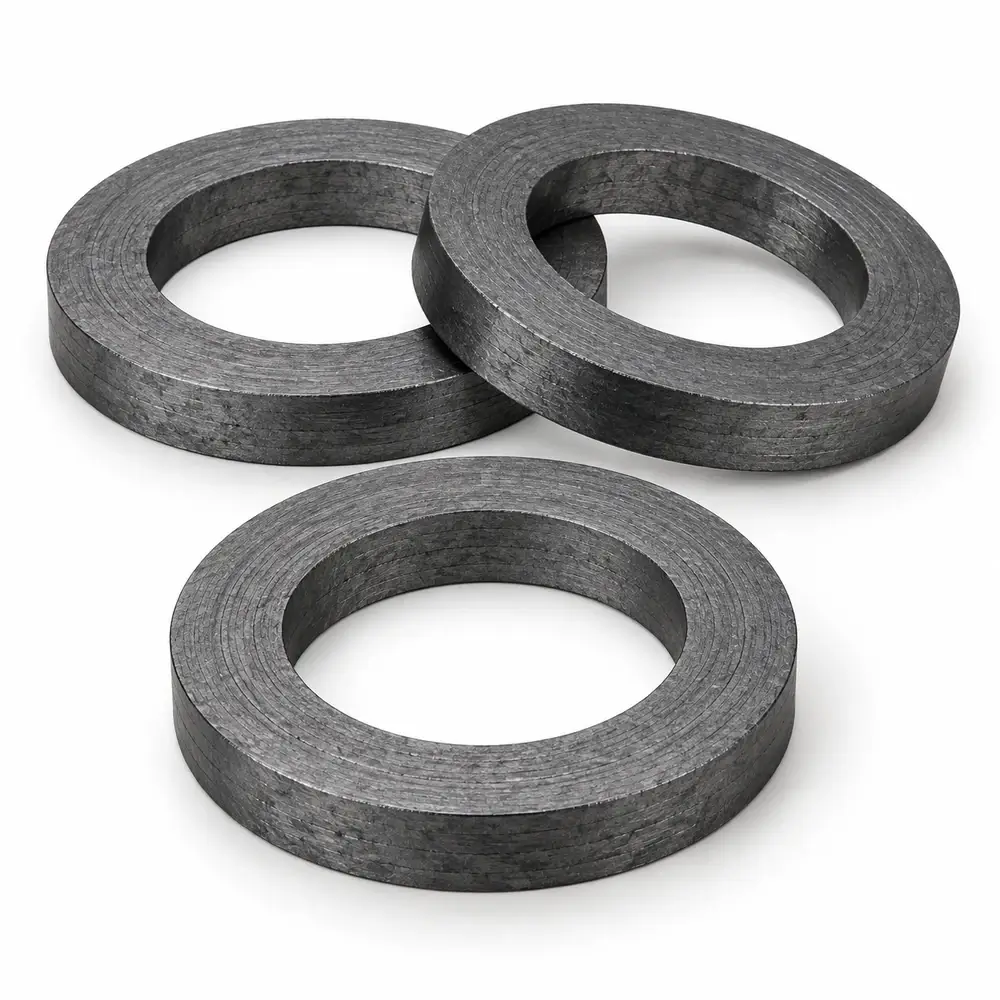
Solution: Build a short decision map before requesting quotes. Define the media, operating temperature, pressure, shaft speed, pH, cycle frequency, and gland condition. Then match those inputs to a packing construction: braided graphite packing for general valve and pump service, die-formed graphite rings for controlled compression and low leakage, expanded graphite packing for high-temperature steam and thermal cycling, and PTFE-graphite styles for lower friction or chemical compatibility. Ningbo Kaxite Sealing Materials Co., Ltd. can review these inputs with buyers and recommend a practical starting point instead of a one-size-fits-all SKU.
| Decision factor | What to check | Why it matters | Buyer action |
|---|---|---|---|
| Media | Solvent, steam, water, oil, acid, caustic, slurry | Drives chemical compatibility and oxidation risk | Share SDS and concentration |
| Temperature | Continuous and excursion values | Affects binder, lubricant, and oxidation life | Confirm normal and peak °C |
| Pressure | Suction, discharge, and cycling pressure | Influences density and extrusion resistance | Provide bar or psi range |
| Shaft speed | RPM and surface speed | Controls friction heat and sleeve wear | Give RPM and sleeve diameter |
| Gland condition | Clearance, shaft runout, sleeve wear | Poor hardware defeats good packing | Inspect before ordering |
Pain point scene: A chemical plant buys a graphite packing that worked well in a steam header and installs it in a pump handling a solvent blend. The first week looks fine. By the third week, the gland needs constant adjustment, the sleeve shows dark marks, and the leak rate climbs. The issue is not that graphite is a poor material; the issue is that the selected grade was not matched to the media, lubricant system, and pH.
Solution: Treat media compatibility as the first filter. Graphite packing generally handles high temperature, steam, hot oil, and many neutral or reducing services well. It can be less suitable in strongly oxidizing media or in some concentrated acid services unless the grade and binder are selected correctly. For mixed solvents, low-lubricity fluids, and services with frequent starts, a PTFE-graphite packing or a graphite packing with a compatible lubricant may reduce friction and pickup. Ningbo Kaxite Sealing Materials Co., Ltd. helps buyers compare the actual fluid, concentration, and temperature instead of relying on a generic “chemical resistant” label.
| Service media | Typical graphite packing direction | Caution point | Parameter to confirm |
|---|---|---|---|
| Steam and condensate | Expanded graphite or die-formed graphite rings | Check oxidation at high temperature | Temperature and cycle frequency |
| Hot oil and hydrocarbon | Graphite packing with suitable lubricant | Confirm compatibility with oil additives | Oil type and operating °C |
| Solvent and low-lubricity fluid | PTFE-graphite or low-friction graphite style | Watch gland torque and sleeve wear | pH, viscosity, and shaft speed |
| Caustic and mild alkaline | Graphite packing after compatibility review | Concentration and temperature change results | Concentration and °C |
| Strong oxidizing media | Alternative sealing material may be needed | Graphite can oxidize under severe conditions | Oxidizer strength and temperature |
Pain point scene: A valve in a steam distribution line is packed with a general-purpose braided packing. At startup, the gland is tight and the leak stops. After several thermal cycles, the packing hardens, the stem becomes difficult to operate, and a small leak returns. The maintenance team adds more torque, but the stem friction rises and the actuator starts to struggle. The real problem is that the packing was selected for pressure alone, not for thermal cycling and compression recovery.
Solution: Match temperature and pressure together. Expanded graphite packing and die-formed graphite rings are strong candidates for steam, high-temperature valves, and thermal cycling because graphite maintains useful sealing performance at elevated temperatures. For lower-temperature chemical pumps, a PTFE-graphite packing may provide lower friction. For high pressure, density and ring construction matter; a die-formed ring can provide controlled compression, while braided packing may offer more flexibility in worn glands. Ningbo Kaxite Sealing Materials Co., Ltd. can supply different graphite packing constructions and help buyers set realistic gland adjustment expectations.
| Service condition | Temperature direction | Pressure direction | Practical packing style |
|---|---|---|---|
| Steam valve, cycling | High temperature with excursions | Medium to high | Expanded graphite packing or die-formed rings |
| Hot oil pump | Medium to high | Medium | Graphite packing with compatible lubricant |
| Chemical pump, low temperature | Low to medium | Low to medium | PTFE-graphite packing for lower friction |
| High-pressure valve | Depends on media | High | Die-formed graphite rings with controlled compression |
| Worn gland, moderate duty | Moderate | Low to medium | Braided graphite packing for flexibility |
Pain point scene: A centrifugal pump runs at a higher speed than the old unit it replaced. The buyer uses the same graphite packing as before because the media and pressure are similar. After commissioning, the gland runs hot, the sleeve develops wear rings, and the operator tightens the gland to control leakage. The result is a short packing life and an unplanned sleeve replacement.
Solution: Check surface speed, not just RPM. Higher shaft speed increases friction heat at the packing-sleeve interface. A low-friction PTFE-graphite packing or a graphite packing with suitable lubrication can reduce torque, while die-formed rings can provide stable running clearance when the gland and sleeve are in good condition. If the sleeve is worn or the shaft runout is high, no packing grade will perform at its best. Ningbo Kaxite Sealing Materials Co., Ltd. can discuss packing style, lubrication, and installation guidance for pumps where sleeve protection is a priority.
| Speed condition | Main risk | Packing direction | Installation check |
|---|---|---|---|
| Low speed, high pressure | Extrusion and leakage | Die-formed graphite rings | Gland clearance and ring squareness |
| Medium speed, general service | Normal wear and adjustment | Braided graphite or graphite/PTFE style | Correct ring count and cut angle |
| High speed, low viscosity | Friction heat and sleeve wear | Low-friction PTFE-graphite packing | Sleeve finish and cooling |
| Frequent starts | Cycling and gland loosening | Flexible graphite packing with good recovery | Break-in procedure and re-torque plan |
| Worn shaft or runout | Uneven contact and leak path | Repair hardware before packing selection | Runout, clearance, and sleeve condition |
Pain point scene: A maintenance crew installs new graphite packing rings, but the leak persists after only two shifts. The storeroom blames the packing. The supplier asks for gland photos. The photos show a scored sleeve, an oval gland, and rings cut at an angle. The packing was not the only variable; the installation and hardware condition were part of the leak path.
Solution: Inspect the stuffing box before ordering. Check shaft or stem finish, runout, gland clearance, ring seat condition, and whether the old packing left hardened residue. Cut rings cleanly, install them with the correct stagger, and follow a controlled break-in and re-torque sequence. For buyers, a supplier that understands installation can prevent repeat orders caused by avoidable failures. Ningbo Kaxite Sealing Materials Co., Ltd. supports buyers with practical packing selection and installation notes so that the material, gland, and sleeve work together.
| Condition to check | Common symptom | Corrective action | Selection impact |
|---|---|---|---|
| Shaft or stem finish | Packing wears quickly | Polish or replace sleeve | Choose lower-friction style if finish is marginal |
| Runout | Leak returns after adjustment | Correct alignment or replace parts | Flexible packing may help, but hardware repair is primary |
| Gland clearance | Packing extrudes | Repair or replace gland | Use die-formed rings for tighter control |
| Stuffing box residue | Rings cannot seat | Clean box fully | Confirm ring dimensions and squareness |
| Break-in plan | Overheating or early leak | Stepwise torque and re-check | Match packing style to cycling duty |
Q1: How Do You Choose the Right Graphite Packing for Your Application in a chemical pump handling mixed solvents at moderate temperature?
A1: Start with media compatibility and friction. Mixed solvents may offer limited lubrication, so a PTFE-graphite packing or a graphite packing with a compatible low-friction treatment can be a practical direction. Confirm pH, concentration, temperature, shaft speed, and sleeve condition. If the pump has a good sleeve and a stable gland, die-formed rings can provide controlled compression; if the gland is worn or the pump cycles often, a flexible braided graphite packing may be easier to adjust. Ask Ningbo Kaxite Sealing Materials Co., Ltd. to review the SDS and operating data before finalizing the grade.
Q2: How Do You Choose the Right Graphite Packing for Your Application when a steam valve also sees frequent cycling?
A2: Prioritize thermal stability, compression recovery, and oxidation resistance. Expanded graphite packing and die-formed graphite rings are common starting points for steam valves that cycle, because the packing must follow stem movement without excessive gland torque. Confirm the maximum steam temperature, pressure, cycle frequency, and stem finish. A packing that works in steady steam may still need a different binder or density for frequent starts. For buyers comparing offers, request the construction, density, lubricant, and recommended gland adjustment procedure, not only the price per meter.
Ningbo Kaxite Sealing Materials Co., Ltd. works with procurement teams, maintenance engineers, and distributors who need practical sealing material selection for pumps, valves, and industrial equipment. From graphite packing and die-formed graphite rings to PTFE-graphite styles, the company helps buyers compare media, temperature, pressure, shaft speed, and gland condition before ordering. Send your application details, target quantity, and drawing or sample requirements to [email protected], or visit https://www.graphite-ptfe-packing.com to review product options and start a focused selection conversation with Ningbo Kaxite Sealing Materials Co., Ltd.
Zhang, Y., Li, J., & Wang, H., 2019, Tribological behavior of expanded graphite packing under dry sliding conditions, Tribology International, 132.
Chung, D. D. L., 2016, Graphite, Journal of Materials Science, 51(1).
Spikes, H., 2015, Friction modifiers in graphite and molybdenum disulfide lubrication, Tribology Letters, 60(1).
Roberts, E. W., 2018, Performance of braided Graphite Packings in rotating equipment, Sealing Technology, 2018(7).
Müller, H. K., & Bauer, C., 2017, Leakage and friction of graphite gland packings in valve stems, Journal of Tribology, 139(4).
Liu, P., Chen, Y., & Zhou, M., 2020, Effect of temperature on expanded graphite seals, Materials & Design, 190.
Kim, S. H., & Park, J. Y., 2018, Chemical compatibility of graphite packing in caustic service, Industrial Lubrication and Tribology, 70(6).
Wang, L., Zhao, R., & Sun, Q., 2021, Compression behavior of die-formed graphite rings, Journal of Materials Engineering and Performance, 30(2).
Tanaka, A., 2016, Oxidation resistance of graphite packing in high-temperature steam, Nuclear Engineering and Design, 305.
Smith, R. J., & Cooper, M., 2019, Gland packing selection for centrifugal pumps, World Pumps, 2019(10).
0086-574-87527773
No 432 Zhenhai Middle Road, Luotuo Street, Zhenhai District, Ningbo City, Zhejiang China