
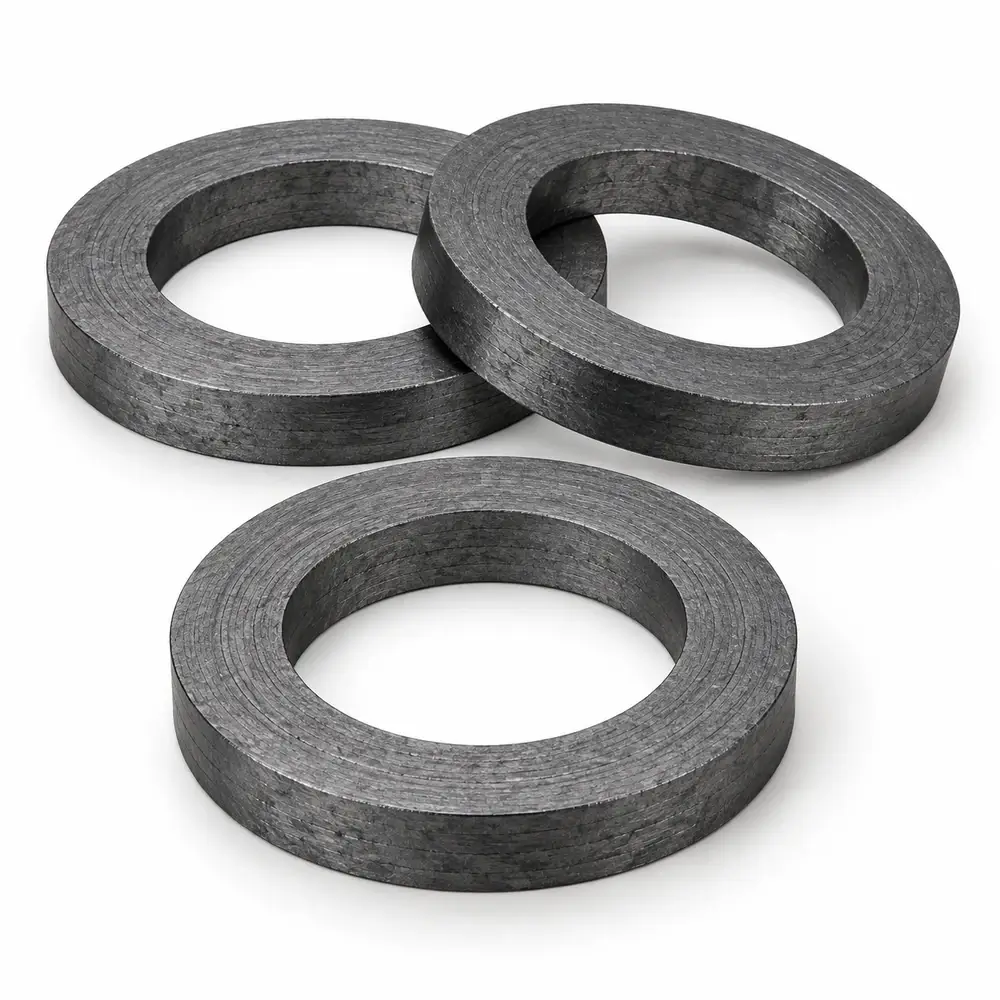
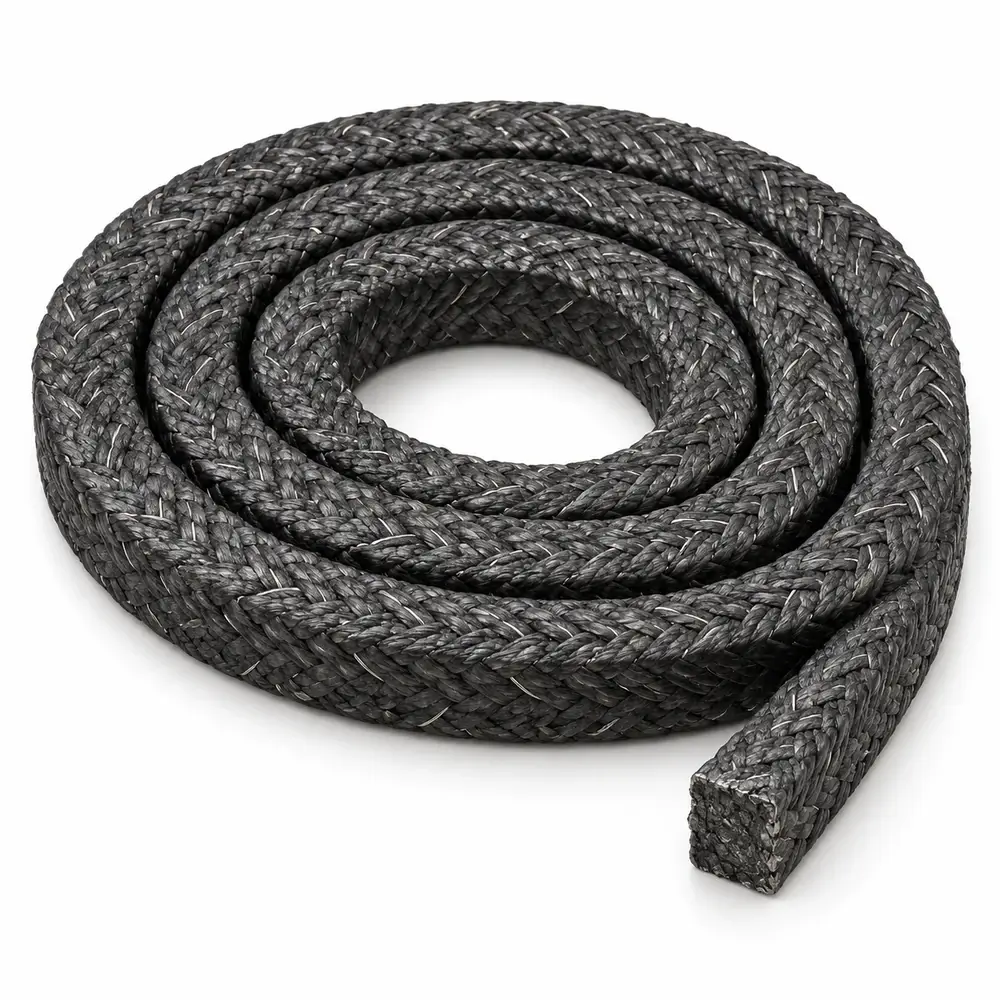
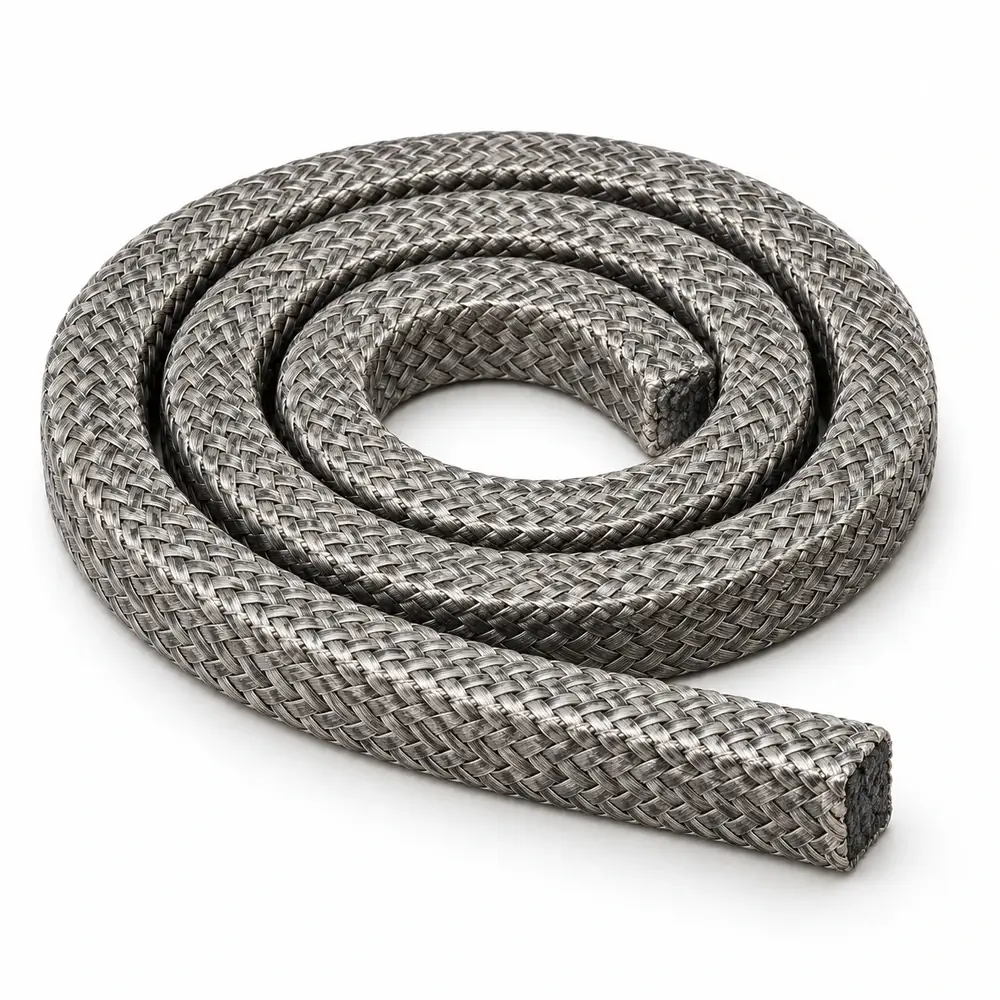
QR Code

About Us
Products
Contact Us

Phone

Fax
0086-574-87527773

Email

Address
No 432 Zhenhai Middle Road, Luotuo Street, Zhenhai District, Ningbo City, Zhejiang China


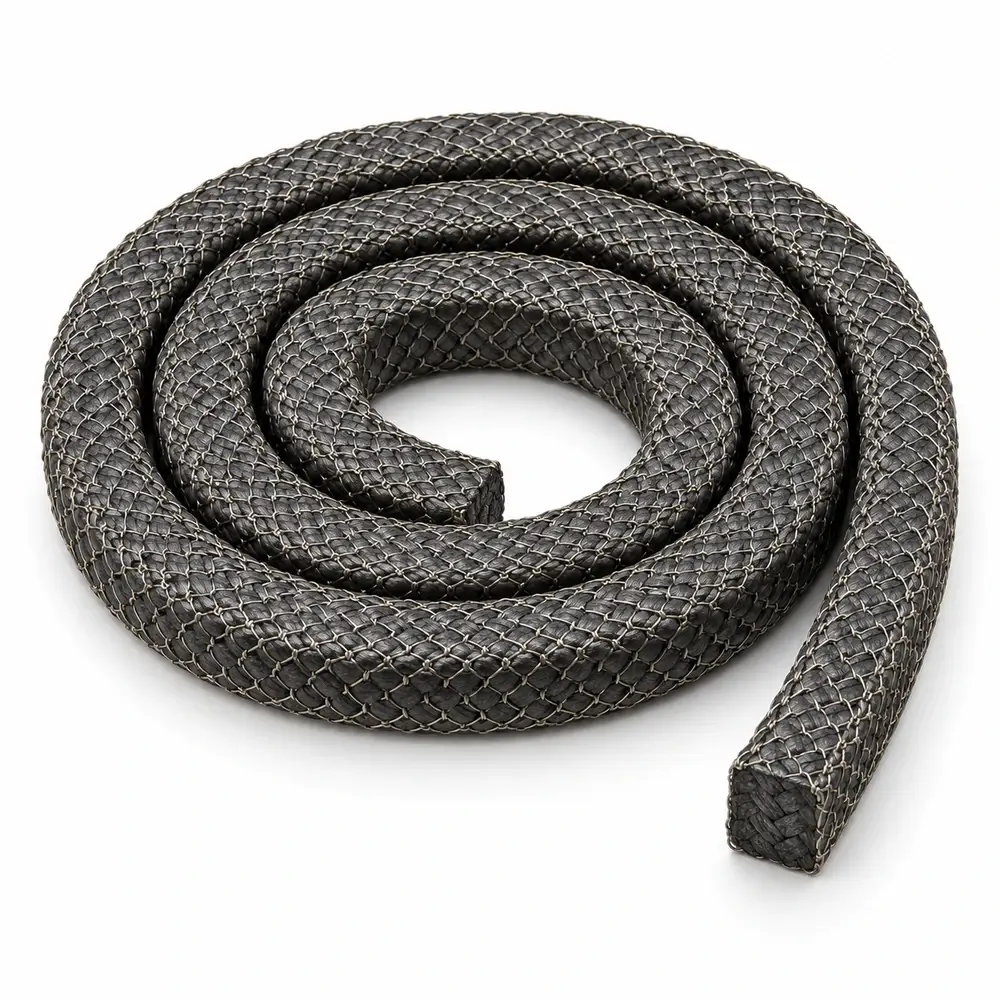
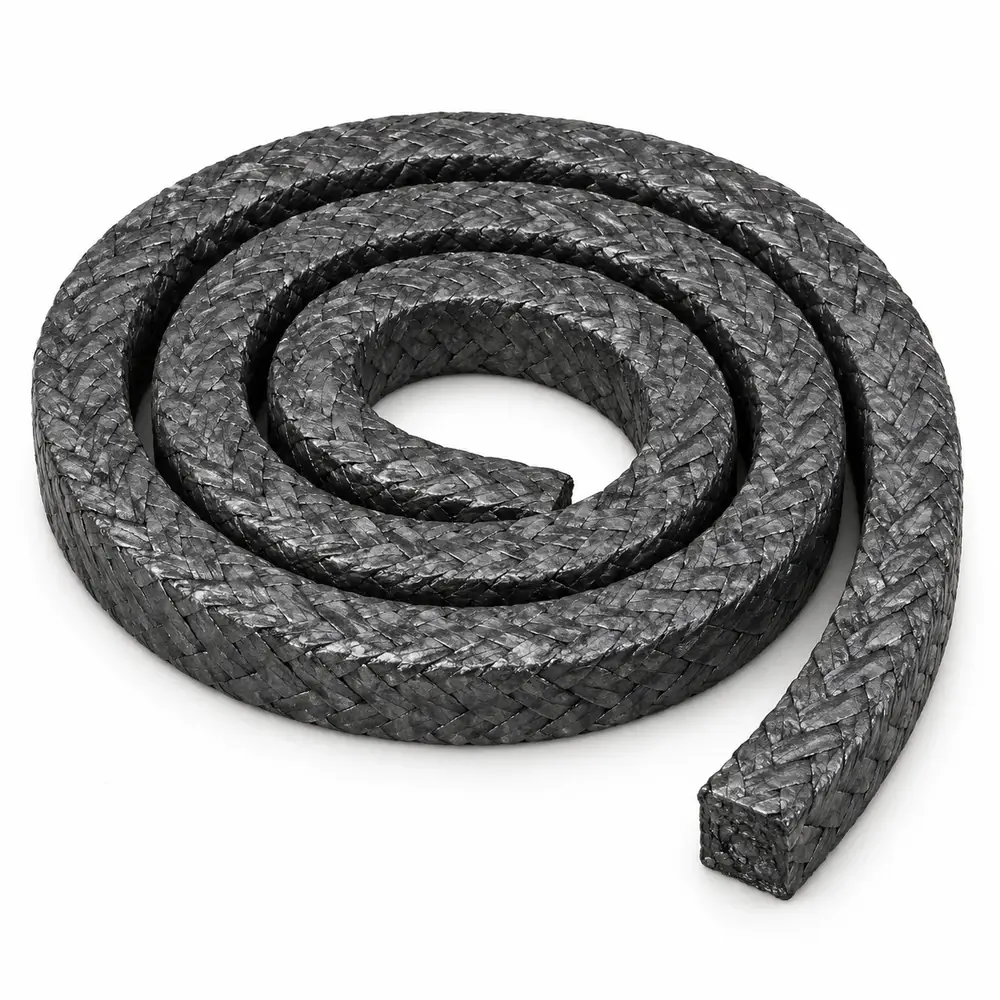
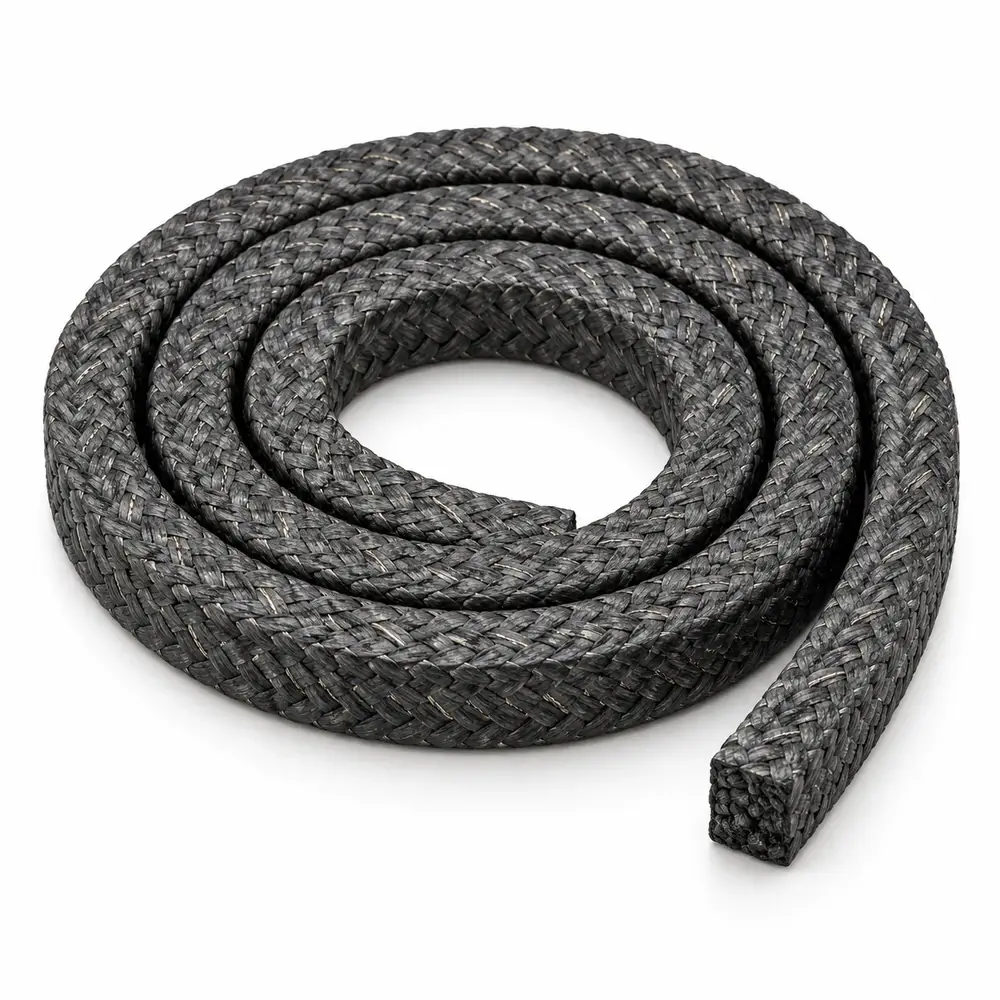
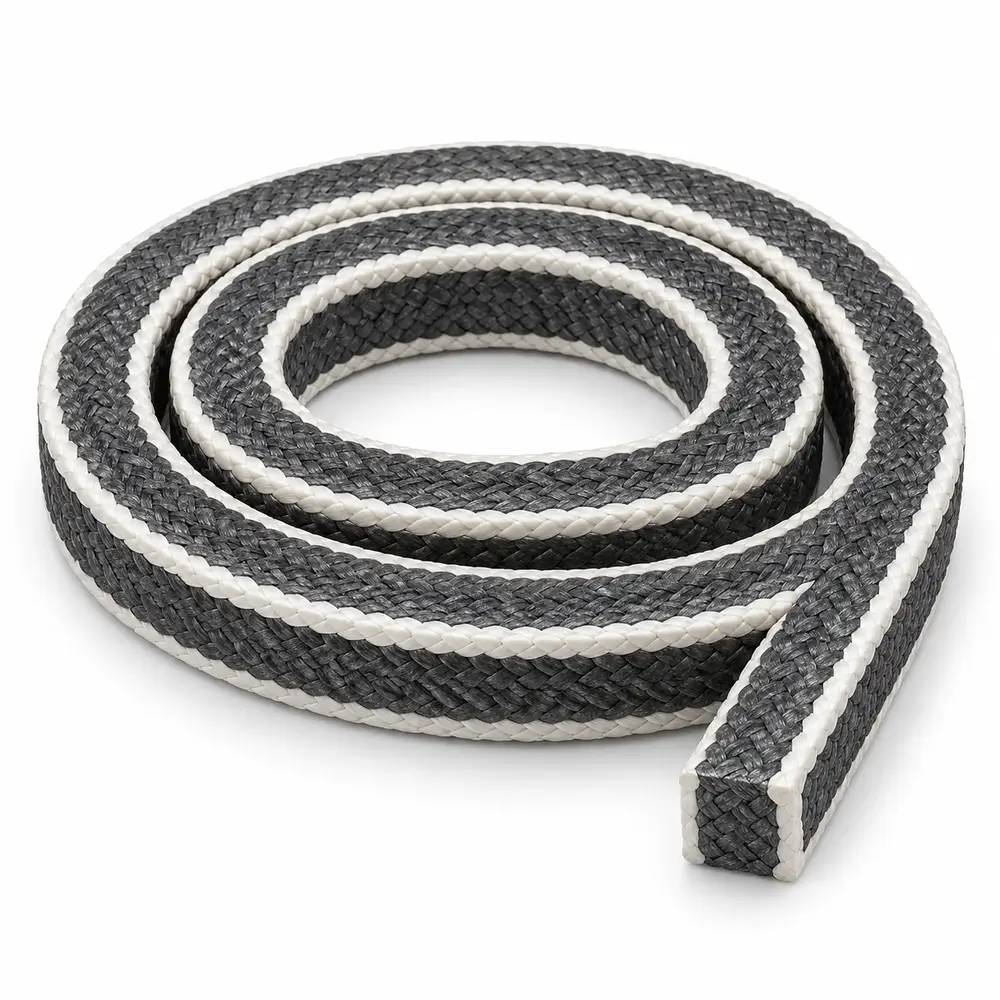
When a maintenance team sees a steam valve stem weeping during a weekend shutdown, the procurement question quickly becomes practical: Is PTFE-Impregnated Graphite Packing Suitable for Steam Service? The answer depends less on a single label and more on steam conditions, gland design, installation quality, and the packing’s ability to resist thermal cycling. Buyers who source compression packing for steam traps, valve stems, and expansion joints need a material that can handle heat, pressure, and repeated startup-shutdown cycles without turning brittle or creating excessive friction. PTFE-impregnated graphite packing combines graphite yarn’s temperature resistance with PTFE’s chemical inertness and low-friction behavior, making it a candidate for many saturated and superheated steam duties. However, no packing is universal. Steam quality, pressure class, pH, chloride level, and stem finish all influence service life. A low-cost packing that loses volume after the first heat-up can cost far more in steam loss, rework, and safety exposure than a correctly specified product. Ningbo Kaxite Sealing Materials Co., Ltd. helps procurement teams match specification to real operating data, review installation tolerances, and avoid over-specifying cost without solving leakage. This guide translates technical selection into clear checks for buyers comparing quotes, samples, and supplier documentation.
A buyer may receive three competitive quotes for graphite packing, yet the plant still sees a steam leak after the first week of operation. The pain is familiar: the valve was rebuilt during a short shutdown, the gland was tightened by feel, and the packing was selected from a catalogue line that looked suitable. In steam service, the real challenge is not finding a packing that can survive one hot moment. It is finding a packing that keeps its volume, friction, and sealing force through repeated heat-up, cool-down, pressure spikes, and condensate exposure. Steam valves often sit idle for long periods and then move under load; that cycle can harden dry packings, score stems, and create leak paths that no amount of gland torque will fix.
The practical solution is to match the packing to the steam duty and the hardware, not just to a temperature number. Buyers should ask for thermal stability, controlled friction, extrusion resistance, and clear installation guidance. Ningbo Kaxite Sealing Materials Co., Ltd. supports this review by helping buyers compare service conditions with packing construction, gland clearance, and stem finish before the purchase order is issued.
| Steam-service pain point | What happens in the plant | Packing feature to verify |
|---|---|---|
| Cyclic startup and shutdown | Gland load drops, packing loses volume, steam leaks | Thermal stability and low creep |
| Wet steam and condensate | Lubricants wash away, friction rises, stem movement becomes stiff | PTFE impregnation and controlled friction |
| Pressure spikes | Soft packing extrudes, stem scores, leakage increases | Density, braid structure, dimensional tolerance |
| Contaminated condensate | pH swings and chlorides attack the sealing interface | Chemical compatibility and low extractables |
| Long idle periods | Packing hardens or sticks to the stem | Release behavior and re-torque range |
In a steam plant, a leak often appears at the gland nut, not at the pipe body. Maintenance teams then face a second problem: replacing the packing without knowing whether the material was wrong or the installation was wrong. PTFE-impregnated graphite packing addresses both sides of that risk. The graphite yarn provides a high-temperature, conductive structure that can tolerate many steam duties. The PTFE impregnation fills voids in the braid, reduces permeability, and lowers friction against the stem. For a valve that must be operated occasionally under pressure, that lower friction can mean smoother movement and less stem wear.
The limitation is equally important. PTFE has a lower continuous temperature ceiling than graphite, so the buyer should confirm the actual gland temperature and steam condition with the supplier. Saturated steam, superheated steam, and wet steam are not interchangeable duties. A packing that performs well in a low-pressure saturated steam line may not be the best choice for a high-temperature superheated steam valve. Ningbo Kaxite Sealing Materials Co., Ltd. can review temperature, pressure, media, and movement frequency to recommend a practical construction rather than a one-size-fits-all answer.
| Property | Typical PTFE-impregnated graphite packing data | Buyer check |
|---|---|---|
| Temperature range | -200°C to 260°C, validate for the actual steam duty | Compare with maximum gland temperature |
| Pressure | Application-specific; lower for dynamic stem movement | Ask for valve-stem duty confirmation |
| pH range | Graphite is broadly chemical resistant; PTFE adds condensate resistance | Review condensate chemistry and chlorides |
| Friction | Lower than dry braided graphite in many stem applications | Check stem finish and gland torque plan |
| Permeability | Reduced by PTFE filling within the braid | Request leakage and batch test data |
| Chloride content | Controlled low level for sensitive steam systems | Request certificate and MSDS |
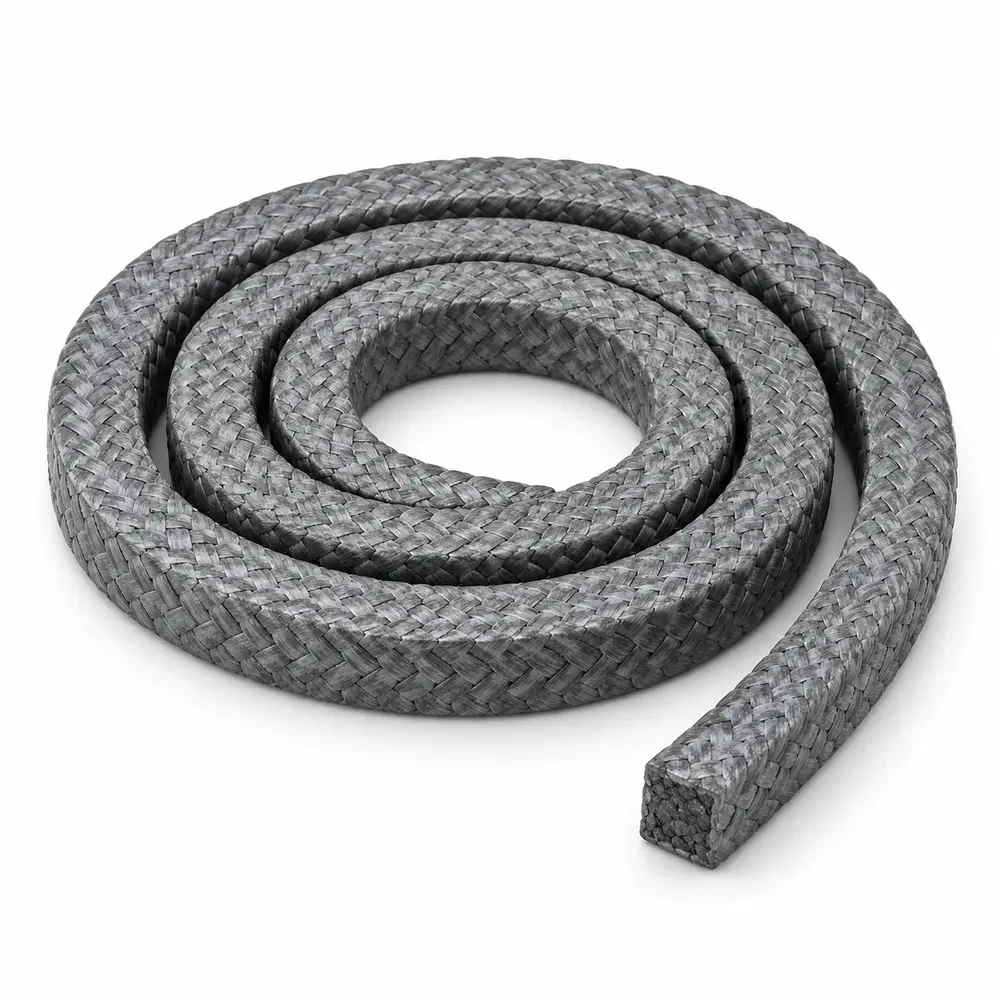
The procurement pain is a stack of similar-looking datasheets. One supplier lists a broad temperature range, another emphasizes low friction, and a third quotes a lower price per kilogram. Without a common checklist, the buyer cannot tell which packing will actually suit the steam valve, expansion joint, or steam trap. The result is often an order based on price and a maintenance team left to solve the fit. A better approach is to convert the application into verifiable parameters before comparing suppliers. The question “Is PTFE-Impregnated Graphite Packing Suitable for Steam Service?” becomes easier to answer when the buyer puts steam temperature, pressure, stem speed, condensate chemistry, and gland dimensions on the table.
Ask every supplier to confirm the same points in writing. For steam service, small differences in braid density, impregnation level, and dimensional tolerance can change leakage behavior. Ningbo Kaxite Sealing Materials Co., Ltd. helps buyers compare these details and align the packing specification with the valve drawing, spare-part list, and maintenance window.
| Parameter | Why procurement should verify it | Question for the supplier |
|---|---|---|
| Steam temperature and pressure | Defines material limits and safety margin | What is the maximum continuous rating at the gland? |
| Stem surface finish | A rough stem can destroy packing quickly | Is the recommended finish suitable for this packing? |
| Gland clearance | Excess clearance encourages extrusion | What clearance and tolerance do you require? |
| Packing cross-section | Wrong size causes leakage and rework | Can you confirm squareness and dimensional tolerance? |
| Braid structure and density | Affects leakage, friction, and service life | What construction is used for steam valve stems? |
| Documentation | Supports audits and repeat orders | Can you provide batch, MSDS, and test reports? |
The most expensive packing is the one that leaks because it was installed with a blunt cut, misaligned joints, or excessive gland torque. In a plant, the maintenance window is short, and the packing is often fitted under pressure to restart the line. A packing that is technically suitable for steam can still fail if the stem is scored, the gland is over-tightened, or the rings are not staggered correctly. The buyer’s pain appears later as repeat steam leaks, spare-part consumption, and questions about material quality.
The solution is to treat installation as part of the specification. Ask for ring-cutting guidance, torque values, run-in steps, and storage advice with the quotation. A supplier who understands steam service should be able to explain how the packing behaves during the first heat-up and what re-torque is acceptable. Ningbo Kaxite Sealing Materials Co., Ltd. can provide practical installation support so procurement teams and maintenance crews work from the same acceptance criteria.
| Installation checkpoint | Common mistake | Acceptance target |
|---|---|---|
| Cutting rings | Angled cuts that are not square | Clean square cuts with no fraying |
| Joint staggering | Joints lined up in one plane | Stagger joints by 90° or 120° |
| Gland torque | Over-tightening to stop leakage immediately | Follow supplier torque and re-torque after heat-up |
| Run-in | Full pressure and temperature at once | Gradual pressure and temperature increase |
| Spare storage | Dust, moisture, or sunlight exposure | Sealed, clean, dry storage |
Q1: Can PTFE-impregnated graphite packing handle saturated steam?
A1: In many saturated steam applications, yes, provided the gland temperature, pressure, stem finish, and installation method are within the packing’s recommended limits. The PTFE impregnation reduces permeability and friction, while the graphite yarn provides thermal stability. Buyers should still confirm the exact steam condition with Ningbo Kaxite Sealing Materials Co., Ltd. because “saturated steam” can cover a wide pressure and temperature range.
Q2: When should a buyer choose a different packing for steam service?
A2: A different packing may be better when the steam is superheated beyond the PTFE limit, when the valve operates at high frequency, when the stem finish is poor, or when condensate chemistry is aggressive. In those cases, the buyer should compare a higher-temperature graphite construction, a different braid structure, or an application-specific sealing solution. The key is to match the packing to the duty, not to force one product into every steam line.
For steam-service buyers who need a practical answer rather than a generic catalogue claim, Ningbo Kaxite Sealing Materials Co., Ltd. provides PTFE-impregnated graphite packing, application review, sample support, and export documentation from a sealing materials specialist. Share your steam pressure, temperature, valve stem size, and drawing with the team at [email protected], or review product details at https://www.graphite-ptfe-packing.com. Kaxite helps procurement teams turn a difficult steam-service question into a clear, testable specification.
Smith, J. A., & Chen, L. (2018). Thermal cycling behavior of PTFE-impregnated graphite compression packing in saturated steam. Journal of Sealing Technology, 2018(6), 12–19.
Müller, R., Weber, P., & Hoffmann, K. (2019). Friction and leakage performance of braided graphite packings for valve stems. Tribology International, 132, 45–53.
Wang, H., & Patel, N. (2020). Steam service durability of impregnated graphite packing under pressure fluctuations. Industrial Lubrication and Tribology, 72(4), 501–509.
Garcia, M., Lopez, R., & Torres, A. (2017). Chemical compatibility of PTFE-filled graphite packings in wet steam. Materials Performance, 56(8), 34–40.
Kim, S., & Zhao, Y. (2021). Gland torque optimization for graphite packing in high-temperature steam valves. Journal of Pressure Vessel Technology, 143(3), 031402.
Brown, T., Miller, D., & Evans, R. (2016). Failure analysis of valve stem packing in cyclic steam service. Engineering Failure Analysis, 68, 112–121.
Liu, Q., & Andersen, P. (2022). Permeability reduction in PTFE-impregnated graphite yarns for sealing applications. Sealing Science and Engineering, 15(2), 88–97.
Rodriguez, E., Martin, C., & Silva, J. (2015). Effect of stem surface finish on compression packing leakage. Wear, 332–333, 780–786.
Nakamura, K., & Li, W. (2023). Steam oxidation and dimensional stability of graphite packing composites. Corrosion Engineering, Science and Technology, 58(1), 55–64.
Okafor, C., & Jensen, M. (2014). Procurement specifications for steam valve packing: a lifecycle cost approach. Journal of Quality in Maintenance Engineering, 20(4), 401–414.
-
0086-574-87527773
No 432 Zhenhai Middle Road, Luotuo Street, Zhenhai District, Ningbo City, Zhejiang China