
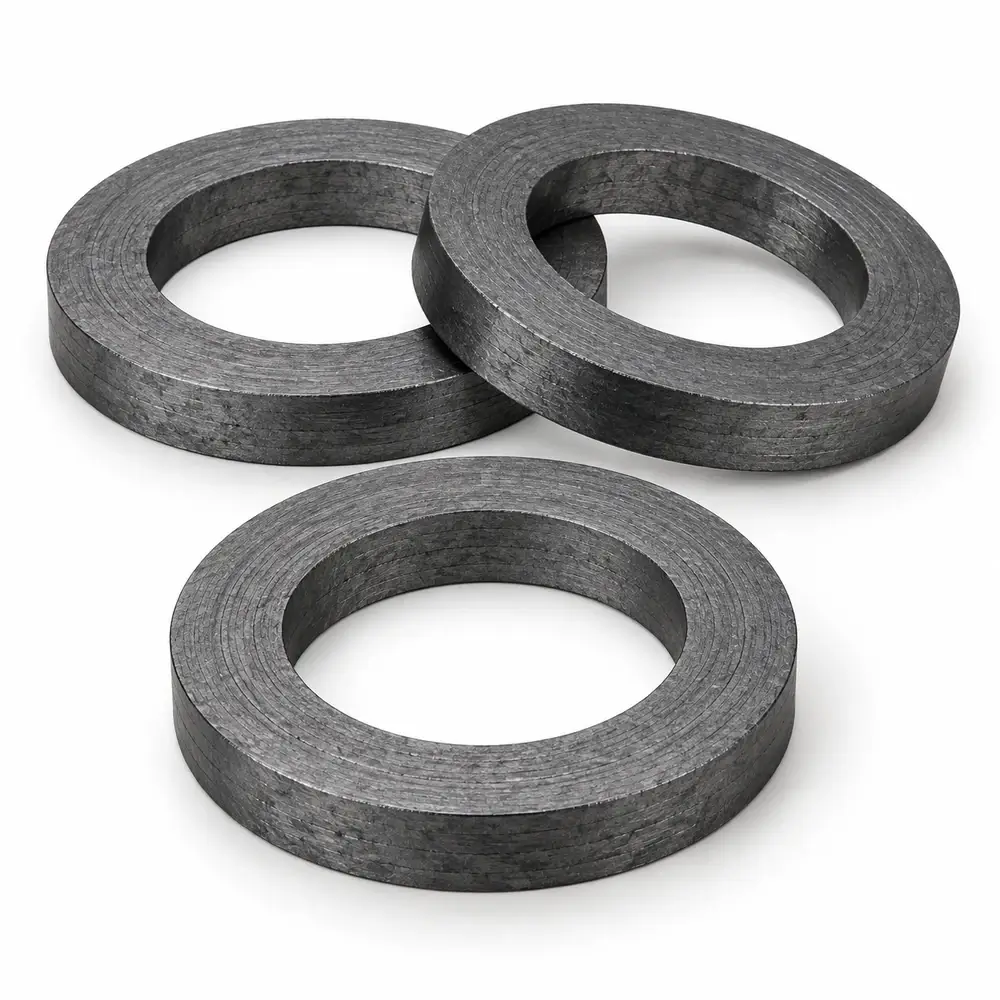
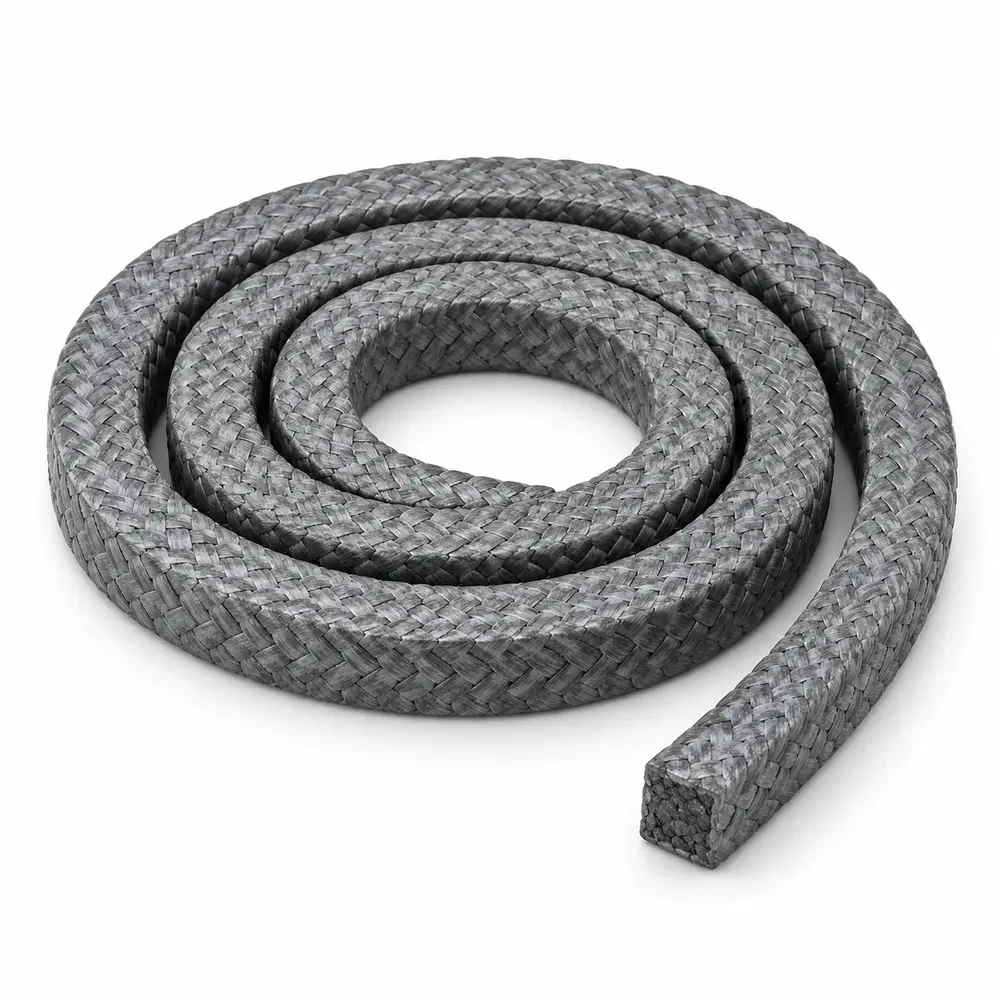
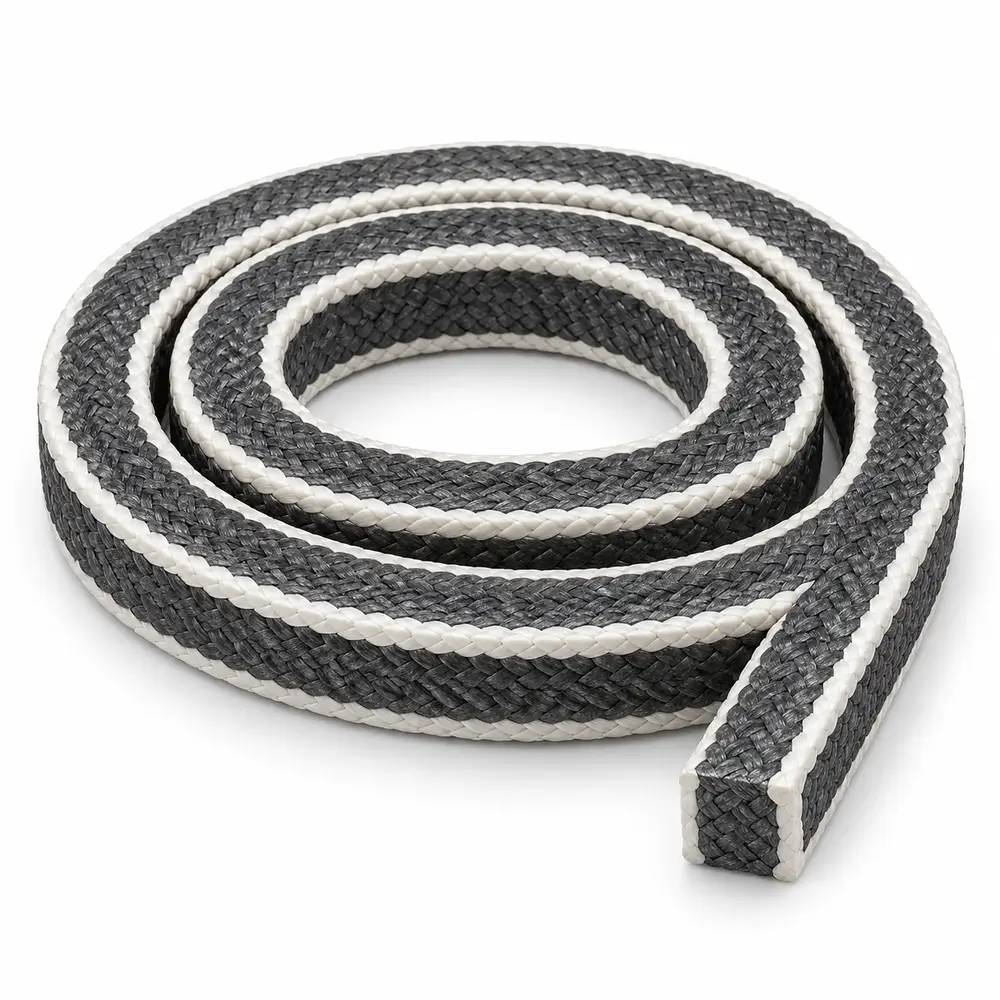
QR Code

About Us
Products
Contact Us

Phone

Fax
0086-574-87527773

Email

Address
No 432 Zhenhai Middle Road, Luotuo Street, Zhenhai District, Ningbo City, Zhejiang China


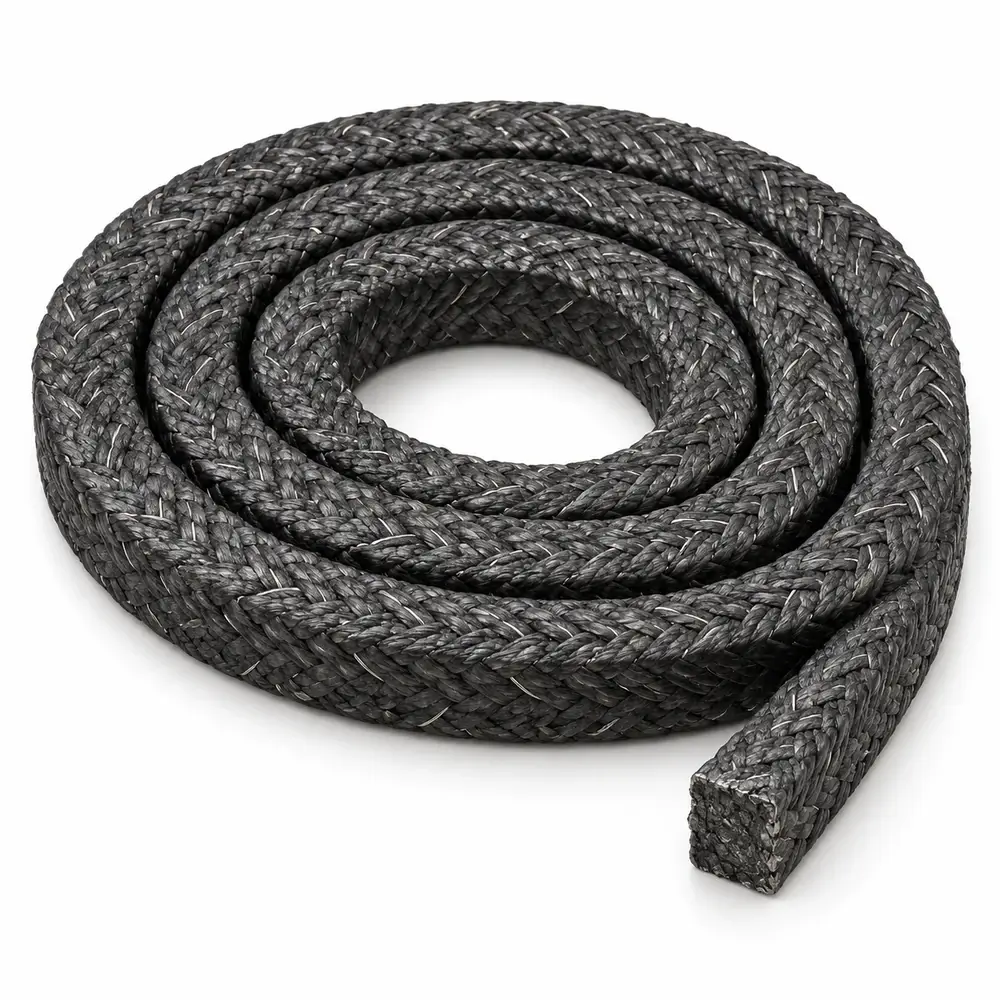
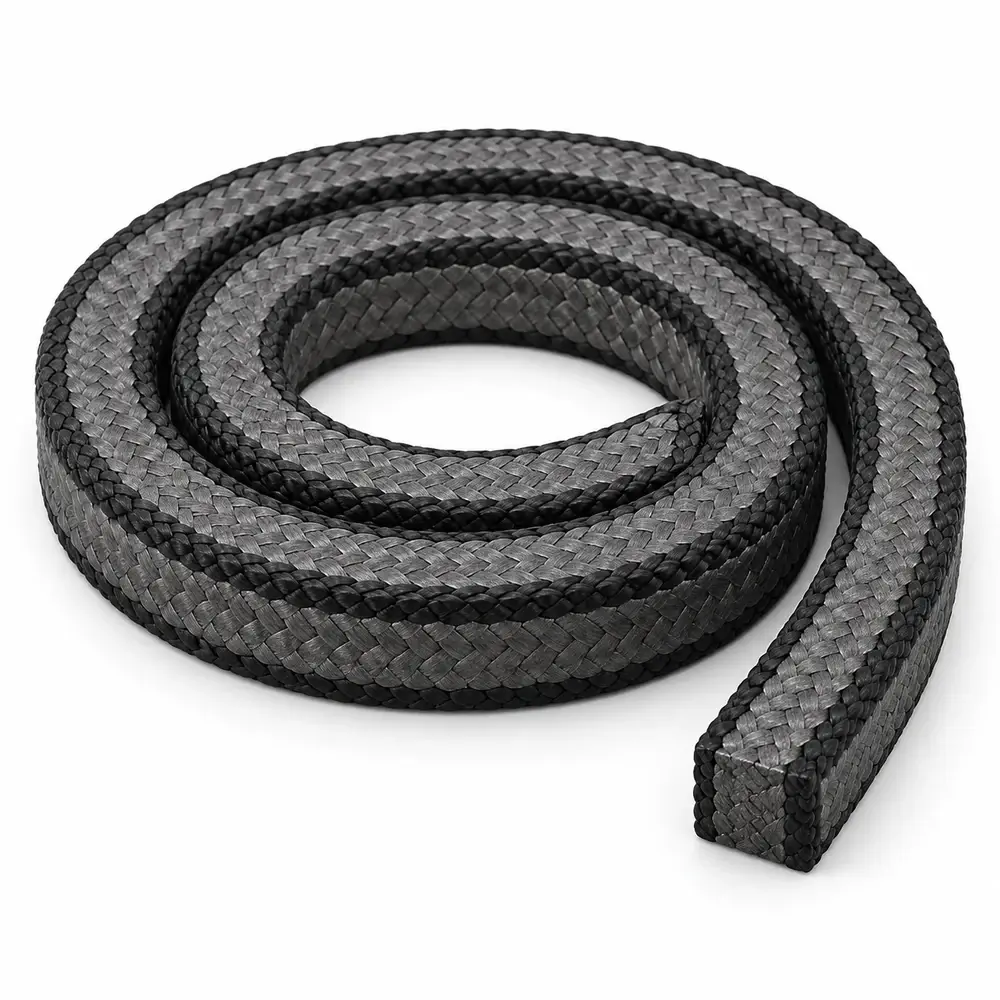
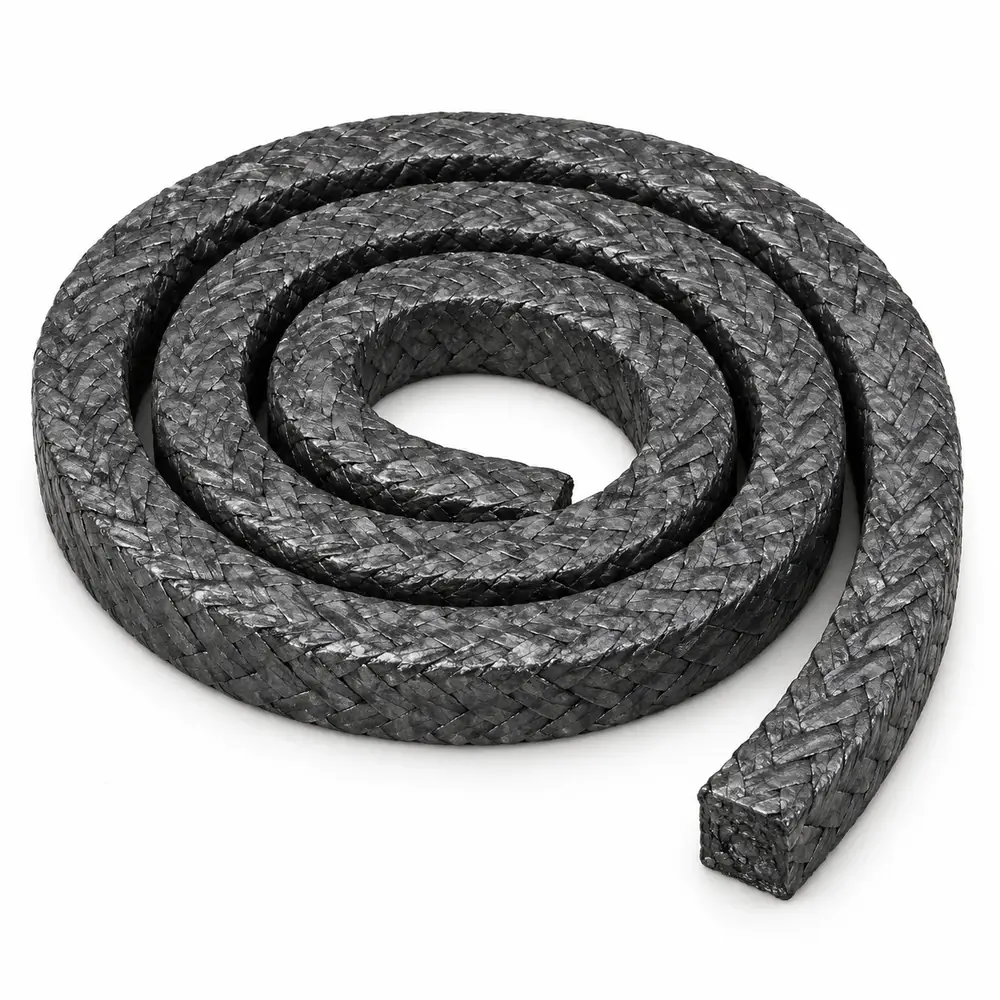
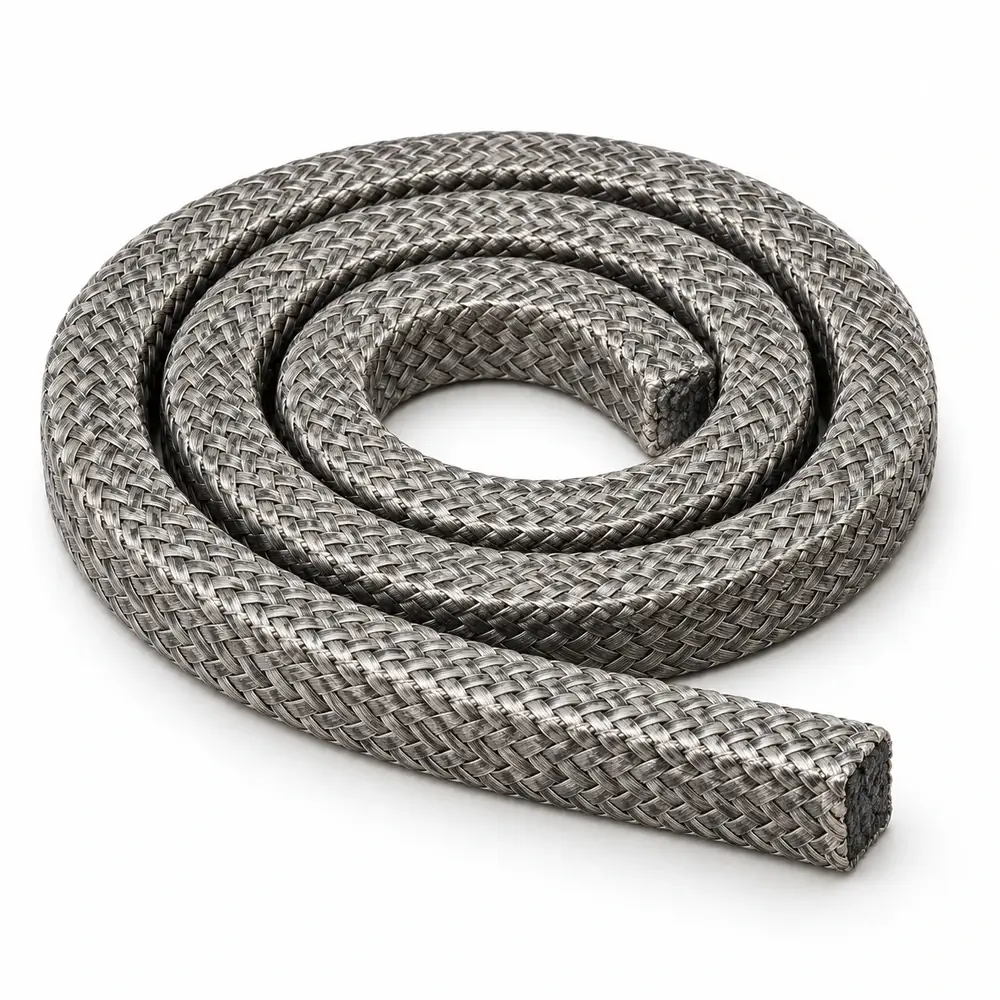
How Do You Install Graphite Packing with Inconel Mesh Correctly? That is usually the first question a maintenance lead asks when a valve is already leaking, a pump shaft is scored, and the shutdown window is half a shift long. Graphite packing with Inconel mesh reinforcement is specified on valve stems, pump shafts, and high-temperature equipment because flexible graphite handles heat and chemicals well, while the Inconel wire mesh adds mechanical strength and helps resist extrusion and blowout. Yet the best product can still fail if the installation is casual. For procurement teams, the real risk is not only price or lead time. It is the rework order that arrives two days after startup. Most failures trace back to small installation decisions: how each ring is cut, where the joints sit, how much each ring is compressed, how the gland bolts are tightened, the radial clearance in the stuffing box, and whether the packing is re-torqued after the first heat cycle. Understanding those steps helps buyers write better requests, ask suppliers the right technical questions, and require evidence such as dimensional tolerances, mesh grade, lubrication type, temperature and pressure ratings, and written installation guidance. This guide walks through the installation method, common field mistakes, practical parameter tables, and two quick question-and-answer sets. It also references products from Ningbo Kaxite Sealing Materials Co., Ltd., including graphite packing with Inconel mesh, for teams that need both product support and installation clarity.
Field scenario: a maintenance crew replaces packing in eight valves before a weekend outage. The rings are cut quickly with a hand cutter, pushed in one after another, and the gland is tightened until it “feels right.” The plant starts up, and by Tuesday the hottest valve is dripping. The buyer receives an urgent request for replacement material, and the maintenance team loses another shift. The packing did not fail because graphite is a weak material. It failed because the sealing path was never assembled as a controlled compression system.
Solution: treat every ring as a separate sealing element. Graphite packing with Inconel mesh has a braided structure and a wire reinforcement that platforms the packing against high pressure, but it still depends on uniform contact with the shaft or stem and the stuffing box bore. Each ring must be cut to the correct length, seated individually, and rotated so the joints are staggered. The gland must travel in parallel, and the bolts must be tightened in stages with a torque wrench. When one ring is pushed in without compacting, the joint becomes a leak path. When the gland cocks to one side, the load concentrates, graphite is extruded, and exposed Inconel wire can score the shaft. The corrective action is not simply buying a more expensive packing. It is controlling the variables that create leakage in the first place.
| Item | Typical value or guidance | What it controls |
|---|---|---|
| Base material | Flexible graphite, high carbon content (typical grades ≥99%) | Thermal stability and chemical resistance |
| Reinforcement | Inconel alloy wire mesh (grade and wire diameter as specified) | Mechanical strength, extrusion resistance, vibration tolerance |
| Temperature | High-temperature service; confirm the exact rating with the manufacturer for steam, inert gas, and oxidizing media | Service life and oxidation risk |
| Pressure | Application-dependent; confirm maximum pressure for valve stem and pump shaft service | Extrusion risk and ring count |
| pH range | Typically 0–14 for graphite in most non-oxidizing media | Chemical compatibility |
| Shaft speed | Pump service is usually limited by surface speed and cooling; confirm with the supplier | Friction heat and wear |
| Typical applications | Valve stems, pump shafts, agitators, and high-temperature sealing points | Product selection and installation method |
For buyers, this is why a specification sheet should be read as a checklist, not a label. Ask how the Inconel mesh is incorporated, what the braiding density is, how the packing is sized, and which media the supplier recommends. A supplier such as Ningbo Kaxite Sealing Materials Co., Ltd. can support that review with product data and installation guidance for its graphite packing with Inconel mesh.
Field scenario: the new packing does not fit the old stuffing box, or it seems to fit but the gland bottoms out before it compresses anything. The instinct is to blame the packing. In many cases, the shaft is worn, the stuffing box is out of round, or hardened old packing remains at the bottom. The installation was never set up to succeed.
Solution: remove all old packing, clean the stuffing box, and measure the hardware before opening the new package. Do not rely on the nameplate. Use calipers for the shaft or stem diameter and a bore gauge or inside micrometer for the stuffing box. Check the radial clearance between the shaft and the bore. If the clearance is excessive, graphite can extrude past the first rings, and the Inconel mesh cannot compensate for a worn assembly. Inspect the surface finish as well. A rough stem will wear the packing and create leakage paths. Lightly deburr the stuffing box edges so the rings are not cut during insertion.
| Measurement | Target or limit | Tool | Problem if not checked |
|---|---|---|---|
| Shaft or stem diameter | Per OEM drawing; check ovality | Micrometer or caliper | Uneven ring contact and leakage |
| Stuffing box bore | Check roundness and wear | Bore gauge | Extrusion path and poor compression |
| Surface roughness | Typically Ra 0.4–1.6 µm for sealing surfaces | Surface roughness tester | Packing wear and leak path |
| Radial clearance | Approximately 0.15–0.35 mm, or per OEM | Feeler gauge | Graphite extrusion and mesh exposure |
| Stuffing box depth | Enough for all rings plus gland travel | Depth gauge | Gland bottoms out before compression |
| Shaft runout | Within pump or valve OEM limit | Dial indicator | Localized heat and leakage |
| Cleanliness | No old packing, burrs, rust, or scale | Scraper and lint-free cloth | Bypass leakage and damaged rings |
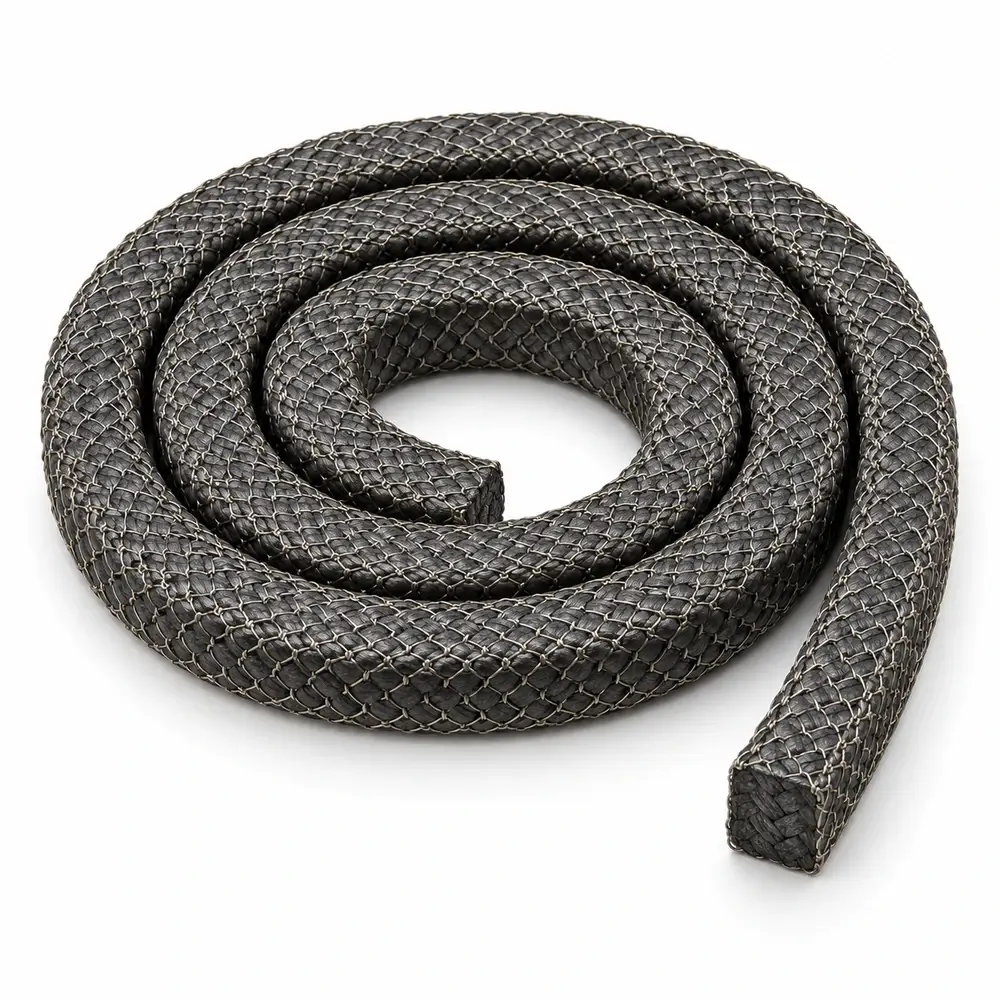
Field scenario: a technician receives a coil of packing and is told to “fit it and tighten it.” The rings are cut against the shaft with a utility knife, the ends are butted flat, and every joint ends up in the same position. This is one of the most common causes of early leakage in gland packing. The steel mesh may look robust, but it cannot correct a joint that forms a straight leak path.
Solution: cut each ring on a mandrel or a spare shaft with the same diameter. A 45° skive cut gives clean butt joints. Install one ring at a time and compact it before installing the next. Rotate each ring 90°–120° so the joints are staggered. Keep the first ring clean and fully seated at the bottom of the stuffing box. Bring the gland down parallel and tighten the bolts in stages. During break-in, allow the packing to settle, then perform a controlled re-tightening after the equipment reaches operating temperature.
| Step | Action | Acceptance standard | Common mistake |
|---|---|---|---|
| Measure | Confirm shaft, stem, and stuffing box dimensions | Within OEM tolerance | Using nominal size instead of actual size |
| Cut | Cut on a mandrel with a 45° skive | Ends meet with no gap and no overlap | Straight cut with scissors or a dull knife |
| Install rings | One ring at a time, staggered joints | Joints offset 90°–120° | All joints aligned in one line |
| Compact | Seat each ring evenly | No voids between rings | Pushing several rings in together |
| Tighten gland | Cross-tighten in stages | Gland face parallel to stuffing box top | Over-tightening one side first |
| Break in | Run under low load, observe leakage and temperature | No steady stream, no abnormal heat | Skipping re-torque after startup |
The same discipline applies to Graphite Packing with Inconel Mesh from Ningbo Kaxite Sealing Materials Co., Ltd. Because the mesh adds structural stability, the packing can handle demanding service, but the ring-by-ring method still determines how well it seals. Buyers who request written installation steps with the order help their maintenance teams repeat the process consistently across multiple valves or pumps.
Field scenario: one technician tightens the gland until the wrench bends, while another leaves it barely snug because the packing “needs to breathe.” The first approach creates friction heat and shaft wear. The second creates a leak that worsens as the system heats up. The missing element is a controlled torque sequence.
Solution: use a calibrated torque wrench, tighten in a cross pattern, and increase torque in small steps. Never use a cheater bar. Verify that the gland moves evenly. After the first heat cycle, check the bolts again because thermal expansion can reduce the compression load. The ranges below are generic field guidance for gland packing; the manufacturer’s product-specific torque table should always take priority.
| Bolt size | Initial torque range (N·m) | Post-run re-torque (N·m) | Note |
|---|---|---|---|
| M6 | 6–8 | 8–10 | Small valves and light-duty glands |
| M8 | 12–16 | 16–20 | Common on small to medium valve stems |
| M10 | 22–28 | 28–35 | Verify thread condition and lubrication |
| M12 | 38–48 | 48–58 | Use a cross pattern in two or more stages |
| M16 | 90–110 | 110–130 | Avoid impact tools and extension bars |
| Dimensional item | Target or guidance | Why it matters |
|---|---|---|
| Gland-to-stuffing-box clearance | 0.25–0.50 mm | Prevents binding and uneven gland travel |
| Gland allowance above the stuffing box | 1.5–3 mm before operation | Leaves room for thermal expansion and re-torque |
| Bolt thread condition | Clean, undamaged, and properly lubricated | Ensures torque is transferred into packing compression |
| Radial clearance at shaft | Typically ≤0.35 mm, or per OEM | Reduces extrusion risk at high pressure |
| Number of packing rings | Per stuffing box depth and product data | Prevents over-compression or insufficient sealing height |
For purchasing teams, the practical lesson is simple: if the supplier cannot provide a product-specific torque range and installation data, the maintenance team is left to guess. A clear data sheet reduces variation between shifts and sites. Ningbo Kaxite Sealing Materials Co., Ltd. supports buyers with product dimensions, material information, and installation recommendations for its sealing products.
Field scenario: the pump gland is hot but barely leaking, so it looks “safe.” A week later the shaft is scored, and the packing is hard and brittle. In another case, the valve continues to drip after several rounds of tightening, and the gland begins to cock. Both situations point to installation conditions rather than a random product defect.
Solution: use symptoms to guide the correction. Heat with almost no leakage usually means over-compression. A steady drip with a cool gland points to joint alignment or insufficient compression. Extruded graphite at the gland face suggests excessive radial clearance or a cocked gland. A leak that appears only after heat-up is often a re-torque issue. Record the gland temperature, leakage rate, and bolt torque so the next shift can compare conditions instead of repeating the same adjustment.
| Symptom | Likely cause | Corrective action |
|---|---|---|
| Steady drip at startup | Joints aligned or rings not compacted | Replace rings, stagger joints, and re-tighten in stages |
| Gland runs hot | Over-compression or inadequate lubrication | Back off, run under low load, and re-torque to the data sheet |
| Graphite extrusion | Excessive radial clearance or gland misalignment | Inspect clearance, correct the gland, or add a suitable bushing |
| Gland tilts to one side | One bolt tightened first | Loosen, then cross-tighten in several small steps |
| Leakage after heat-up | Loss of compression from thermal cycling | Re-torque after temperature stabilizes |
| Shaft or stem scoring | Exposed mesh, contamination, or wrong packing size | Inspect surfaces, remove debris, and verify product size |
Configuration and installation questions
Q: How Do You Install Graphite Packing with Inconel Mesh Correctly—what should be confirmed before the stuffing box is opened?
A: Confirm the actual shaft or stem diameter, stuffing box depth and bore, radial clearance, surface condition, and the product data sheet. Cut the rings on a mandrel that matches the shaft diameter, use a 45° skive, install one ring at a time, and stagger the joints by 90°–120°. Do not begin until the old packing, rust, and debris are removed.
Q: Should the packing be lubricated before installation?
A: Follow the supplier’s instructions for the specific product and medium. Some graphite packings are supplied with a compatible lubricant or inhibitor, while others are installed dry. Mixing incompatible grease with the packing can affect temperature resistance and sealing behavior.
Startup and re-tightening questions
Q: How Do You Install Graphite Packing with Inconel Mesh Correctly if the valve leaks after the first heat-up?
A: Plan a post-run re-torque. After the system reaches a stable temperature, tighten the gland bolts in small increments in a cross pattern. If leakage continues after a reasonable re-tightening, stop and check joint alignment, ring damage, and shaft condition instead of continuing to add torque.
Q: Is a small amount of leakage acceptable?
A: It depends on the equipment, plant rules, and emissions requirements. Some packed valves allow a controlled weep for lubrication, but pumps and emissions-sensitive services often require tighter control. Confirm the acceptable limit with the equipment owner and the applicable standard, then document the final torque and leakage rate.
Field scenario: three suppliers quote “graphite packing with Inconel mesh,” and the prices are close, but the quotations describe different mesh grades, different graphite purity, and different dimensional tolerances. The purchasing team cannot compare them fairly, and the maintenance team later discovers that the rings do not fit the same way.
Solution: put the technical requirements into the request for quotation and ask for evidence. Require the dimensions to be measured, not assumed. Ask for the mesh grade, wire diameter, braiding construction, and recommended media. Request installation instructions and torque guidance with the shipment. If the service involves emissions control, ask whether leakage or emission testing reports are available and which standard was used.
| Requirement | Why it matters | Evidence to request |
|---|---|---|
| Dimensional tolerance | Too loose leaks; too tight will not install | Measured size data or inspection report |
| Inconel mesh grade and wire diameter | Affects extrusion resistance and shaft wear | Material certificate and product data sheet |
| Graphite purity | Influences high-temperature stability and media compatibility | Batch analysis or typical value statement |
| Braiding construction | Controls density, flexibility, and compression behavior | Product drawing or technical data |
| Installation and torque guidance | Reduces rework and shutdown time | Written installation sheet |
| Leakage or emission test report | Supports compliance review where required | Test report referencing the applicable standard |
| Packaging and traceability | Keeps sizes and batches identifiable on site | Labels, batch number, and packing list |
For buyers who want fewer installation surprises, Ningbo Kaxite Sealing Materials Co., Ltd. supplies graphite packing with Inconel mesh and related sealing materials for valve, pump, and industrial applications. Ningbo Kaxite Sealing Materials Co., Ltd. can help with size selection, media questions, and practical installation guidance so that maintenance teams spend less time reworking glands and more time keeping equipment online. Review the product range at https://www.graphite-ptfe-packing.com, or send your operating conditions and dimensions to [email protected] for a technical review.
Chung, D. D. L. (2002). Review of graphite. Journal of Materials Science, 37(8), 1475–1489.
Chung, D. D. L. (2016). A review of exfoliated graphite. Journal of Materials Science, 51(1), 33–55.
Sengupta, R., Bhattacharya, M., Bandyopadhyay, S., & Bhowmick, A. K. (2011). A review on the mechanical and electrical properties of graphite and modified graphite reinforced polymer composites. Progress in Polymer Science, 36(5), 638–670.
Celzard, A., Marêché, J. F., & Furdin, G. (2005). Modelling of exfoliated graphite. Progress in Materials Science, 50(1), 93–179.
Inagaki, M., & Kang, F. (2014). Materials science and engineering of carbon: Fundamentals. Journal of Materials Science, 49(8), 3101–3115.
Flitney, R. K. (2007). Seals and sealing handbook. Proceedings of the Institution of Mechanical Engineers, Part J: Journal of Engineering Tribology, 221(3), 241–252.
Nau, B. S. (1999). An historical review of studies of polymeric seals in reciprocating hydraulic systems. Proceedings of the Institution of Mechanical Engineers, Part J: Journal of Engineering Tribology, 213(3), 215–226.
Müller, H. K., & Nau, B. S. (1998). Fluid sealing technology: Principles and applications. Sealing Technology, 1998(56), 6–12.
Wang, Y., Li, J., & Zhang, H. (2019). Friction and wear behavior of braided graphite packing under high-temperature steam conditions. Tribology International, 132(4), 118–127.
Zhao, L., Chen, X., & Liu, Q. (2020). Leakage and emission characteristics of valve stem packing with wire mesh reinforcement. Journal of Cleaner Production, 258(10), 120–131.
-
0086-574-87527773
No 432 Zhenhai Middle Road, Luotuo Street, Zhenhai District, Ningbo City, Zhejiang China